
< Back to Blog overview
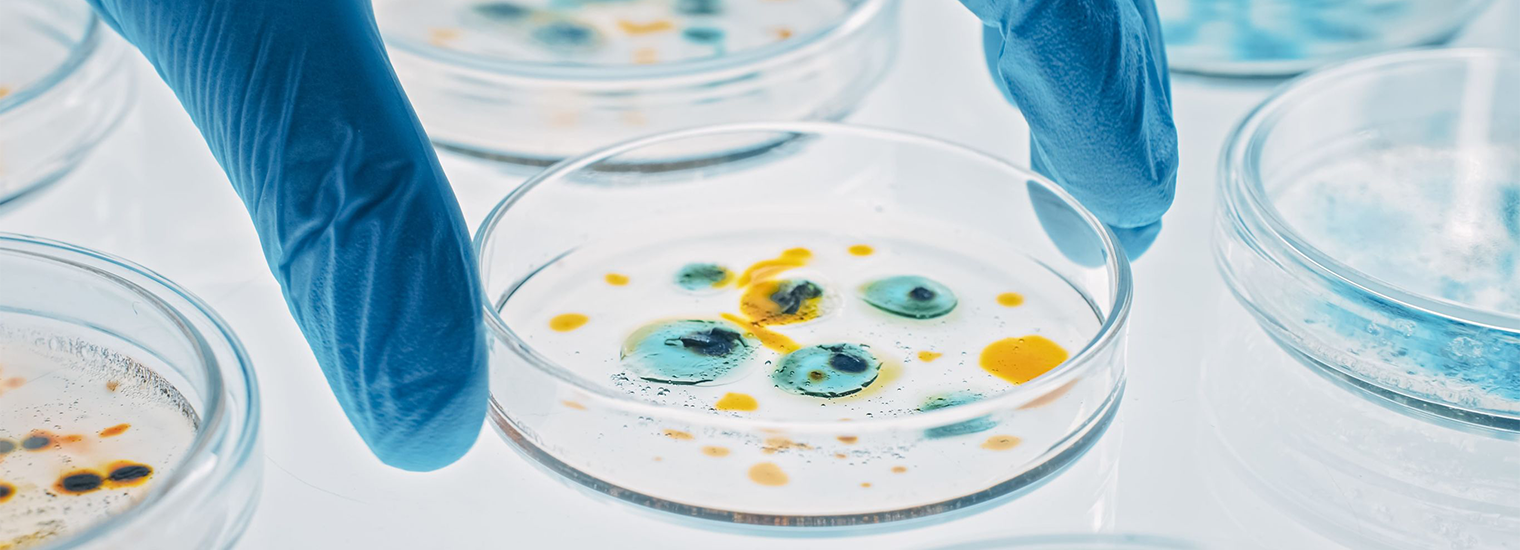
Microbiological analysis involves a combination of physical, chemical, and biological methods to extract and identify microorganisms. Accurate and reliable testing is essential to maintaining health, safety, and product integrity across numerous applications.
• Healthcare: In clinical laboratories, microbiological analysis aids in diagnosing infections, identifying pathogens, and determining antimicrobial resistance. (Atkins et al., 1998)
• Food and Beverage: Testing helps ensure food safety by detecting pathogens like Salmonella, Listeria, and E. coli, preventing contamination and recalls.
• Pharmaceuticals: Regulatory compliance requires rigorous microbiological testing to ensure drugs, vaccines, and medical devices meet safety standards.
• Environmental Monitoring: Analysis of water, soil, and air samples identifies microbial contamination, ensuring compliance with public health standards.
• Biotechnology: Microbial analysis supports research and development in bioengineering, fermentation processes, and biopharmaceutical production.
Key Benefits:
Ready to revolutionize your microbiological testing process? Contact us today to learn how the ULTRA-TURRAX Tube Drive can transform your laboratory operations. For more information or inquiries, please reach out at: [email protected]
Citations
- Askar, M., et al. (2019). "Comparison of different human tissue processing methods for maximization of bacterial recovery." European Journal of Clinical Microbiology & Infectious Diseases.
- Redanz, S., et al. (2015). "Improved microbiological diagnostics due to utilization of a high-throughput homogenizer for routine tissue processing." Diagnostic Microbiology and Infectious Disease.
- Roux, A.-L., et al. (2011). "Diagnosis of prosthetic joint infection by beadmill processing of a periprosthetic specimen." Clinical Microbiology and Infection.
- Atkins, B. L., et al. (1998). "Prospective evaluation of criteria for microbiological diagnosis of prosthetic-joint infection at revision arthroplasty." Journal of Clinical Microbiology.
- NHS Standards for Microbiology Investigations (2016). "Investigation of orthopedic implant associated infections.
IKA ULTRA-TURRAX® Tube Drive
Related Products
Revolutionizing Microbiological Analysis: ULTRA-TURRAX® Tube Drive with IVD Ball Mill Tubes
What is Microbiological Analysis?
Microbiological analysis is a critical process used to detect, identify, and quantify microorganisms in various samples. These tests ensure the safety, efficacy, and quality of products and environments by detecting harmful pathogens, beneficial bacteria, or microbial contaminants. The process is essential in industries such as healthcare, pharmaceuticals, food and beverage, environmental sciences, and biotechnology.Microbiological analysis involves a combination of physical, chemical, and biological methods to extract and identify microorganisms. Accurate and reliable testing is essential to maintaining health, safety, and product integrity across numerous applications.
Key Methods of Microbiological Analysis
Microbiological analysis employs a variety of methods depending on the industry and sample type. These methods include:
|
|
|
|
Importance of Microbiological Analysis in Different Industries
Microbiological testing is critical across various sectors:• Healthcare: In clinical laboratories, microbiological analysis aids in diagnosing infections, identifying pathogens, and determining antimicrobial resistance. (Atkins et al., 1998)
• Food and Beverage: Testing helps ensure food safety by detecting pathogens like Salmonella, Listeria, and E. coli, preventing contamination and recalls.
• Pharmaceuticals: Regulatory compliance requires rigorous microbiological testing to ensure drugs, vaccines, and medical devices meet safety standards.
• Environmental Monitoring: Analysis of water, soil, and air samples identifies microbial contamination, ensuring compliance with public health standards.
• Biotechnology: Microbial analysis supports research and development in bioengineering, fermentation processes, and biopharmaceutical production.
Challenges in Microbiological Testing
Despite its importance, microbiological analysis presents several challenges:
|
|
|
|
The Future of Microbiological Analysis
The field of microbiological analysis is evolving with advancements in automation, molecular diagnostics, and AI-driven data analysis. These innovations aim to enhance precision, reduce processing times, and increase throughput. As industries demand faster and more reliable results, next-generation technologies are poised to become the standard for microbiological testing.ULTRA-TURRAX® Tube Drive (UTTD) Revolutionizes Microbiological Analysis
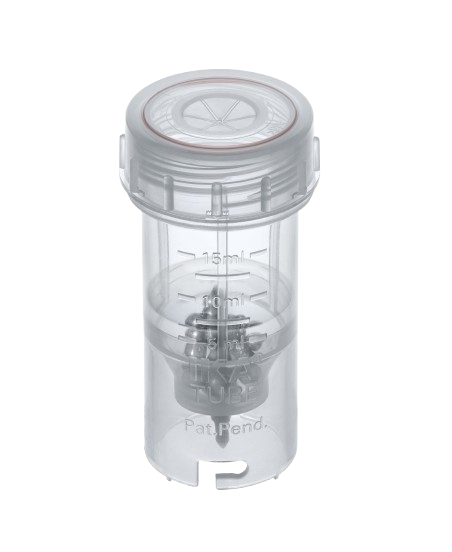
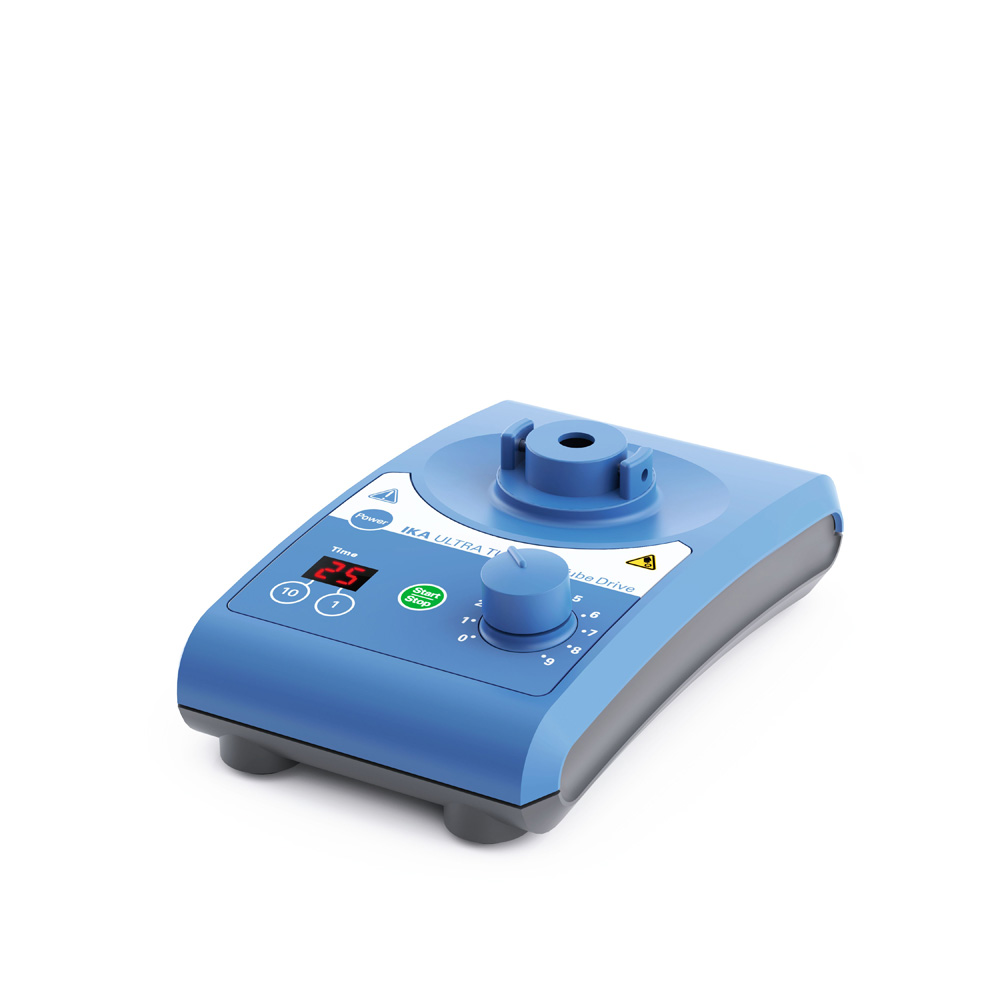
The ULTRA-TURRAX® Tube Drive (UTTD) with IVD Ball Mill Tubes is a game-changer in the field of microbiological analysis. Designed for precision, efficiency, and contamination control, this system addresses many of the challenges faced in traditional testing methods.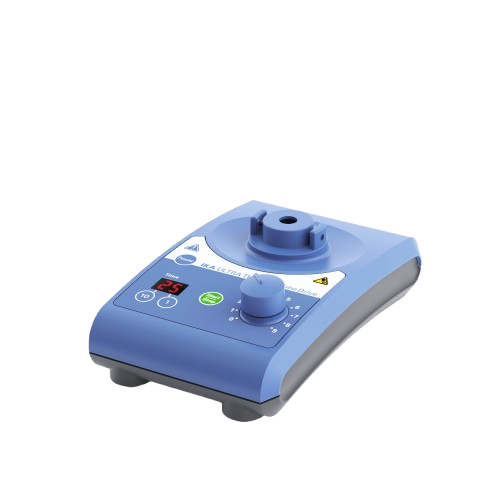 |
 |
Key Benefits:
- Efficient and Uniform Homogenization: The ULTRA-TURRAX® Tube Drive ensures thorough disruption of even the toughest tissue samples. Studies like those by Roux et al. (2011) confirm that mechanical homogenization significantly improves pathogen recovery from biofilm-embedded tissues (Roux et al., 2011). The UTTD’s robust motor ensures uniform tissue disruption without compromising sample integrity.
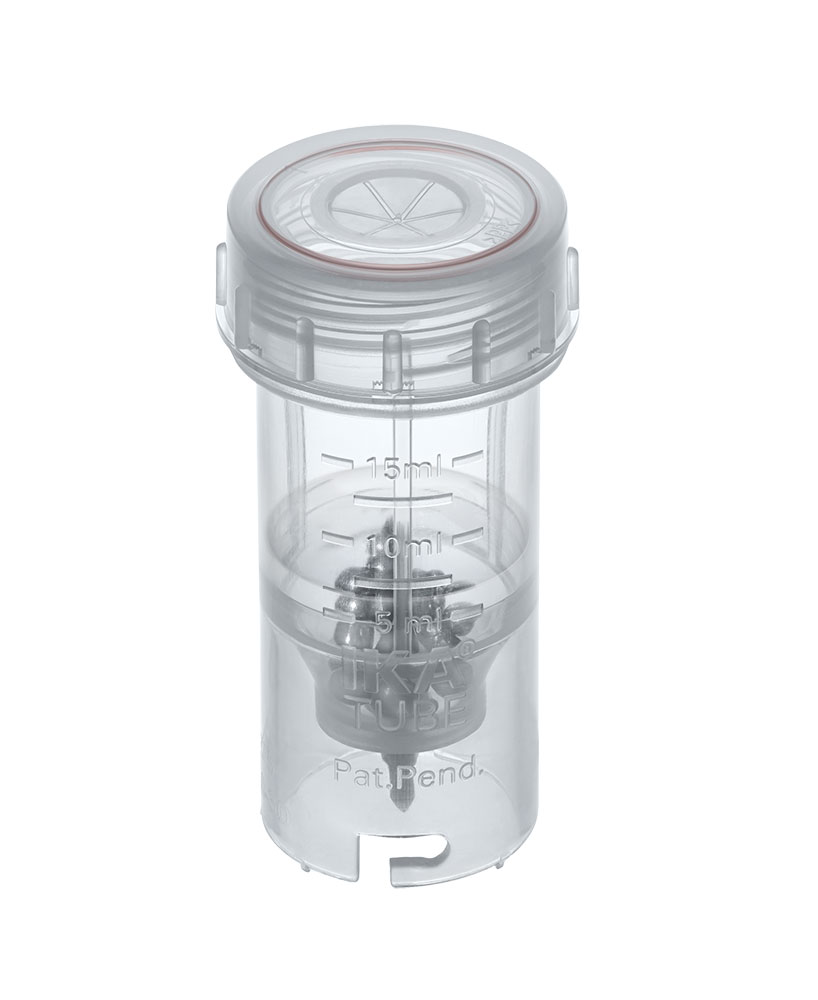
- Contamination-Free Processing: The IVD Ball Mill Tubes are pre-sterilized and sealed, eliminating the risk of cross-contamination. This feature is critical for clinical, pharmaceutical, and food safety applications.
- High Throughput: Capable of processing multiple samples simultaneously, the system reduces turnaround times and increases productivity in high-demand laboratories.
- Preservation of Microbial Viability: The system minimizes heat generation during processing, a critical factor for maintaining viable pathogens (Redanz et al., 2015) This is essential for accurate pathogen detection and antimicrobial susceptibility testing.
- Adaptability: Whether analyzing soft tissues, biofilm-laden surfaces, or dense materials, the ULTRA-TURRAX® Tube Drive can handle a wide range of sample types without compromising performance.
- Regulatory Compliance: With IVD-compliant grinding tubes, the ULTRA-TURRAX® Tube Drive meets stringent quality and safety standards, making it suitable for use in regulated industries.
Conclusion
Accurate and reliable microbiological analysis is vital to ensuring safety and quality across industries. The ULTRA-TURRAX® Tube Drive with IVD Ball Mill Tubes offers a revolutionary solution, enhancing efficiency, precision, and contamination control. By investing in advanced equipment, laboratories can stay ahead in a rapidly evolving field.Ready to revolutionize your microbiological testing process? Contact us today to learn how the ULTRA-TURRAX Tube Drive can transform your laboratory operations. For more information or inquiries, please reach out at: [email protected]
Citations
- Askar, M., et al. (2019). "Comparison of different human tissue processing methods for maximization of bacterial recovery." European Journal of Clinical Microbiology & Infectious Diseases.
- Redanz, S., et al. (2015). "Improved microbiological diagnostics due to utilization of a high-throughput homogenizer for routine tissue processing." Diagnostic Microbiology and Infectious Disease.
- Roux, A.-L., et al. (2011). "Diagnosis of prosthetic joint infection by beadmill processing of a periprosthetic specimen." Clinical Microbiology and Infection.
- Atkins, B. L., et al. (1998). "Prospective evaluation of criteria for microbiological diagnosis of prosthetic-joint infection at revision arthroplasty." Journal of Clinical Microbiology.
- NHS Standards for Microbiology Investigations (2016). "Investigation of orthopedic implant associated infections.
RELATED CONTENT
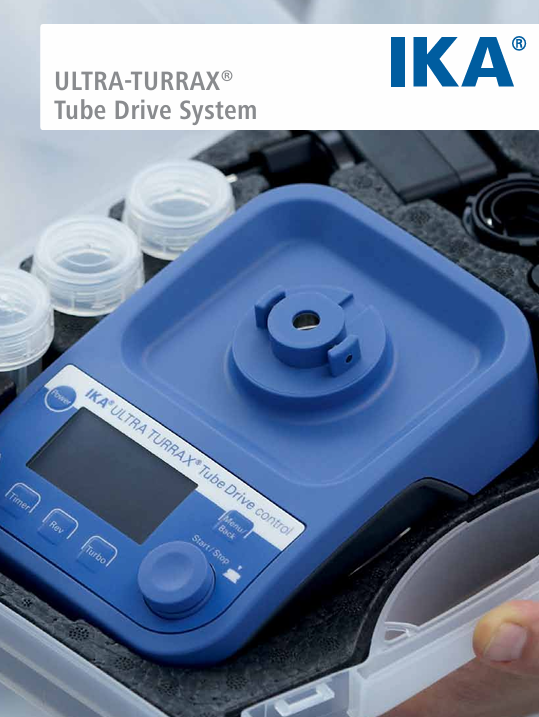 ULTRA-TURRAX® Tube Drive |
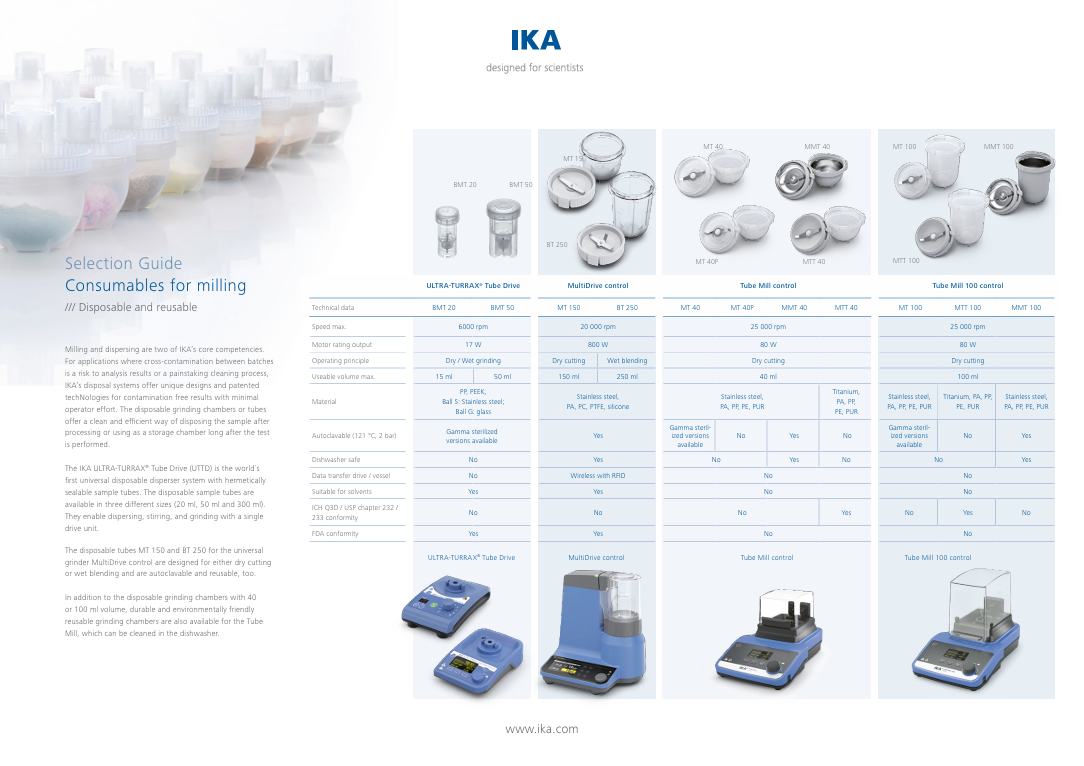 Flyer Selection Guide - Consumables for milling |
VIDEO
IKA ULTRA-TURRAX® Tube Drive
Related Products
If you have any questions or wish to receive a personal quotation, please contact our sales team
请联系我们
< Back to Blog overview请联系我们