
< Back to Blog overview
241_10.png)
Even small variations in pipetting technique can affect experimental accuracy, making the choice of pipette just as important as proper laboratory practice.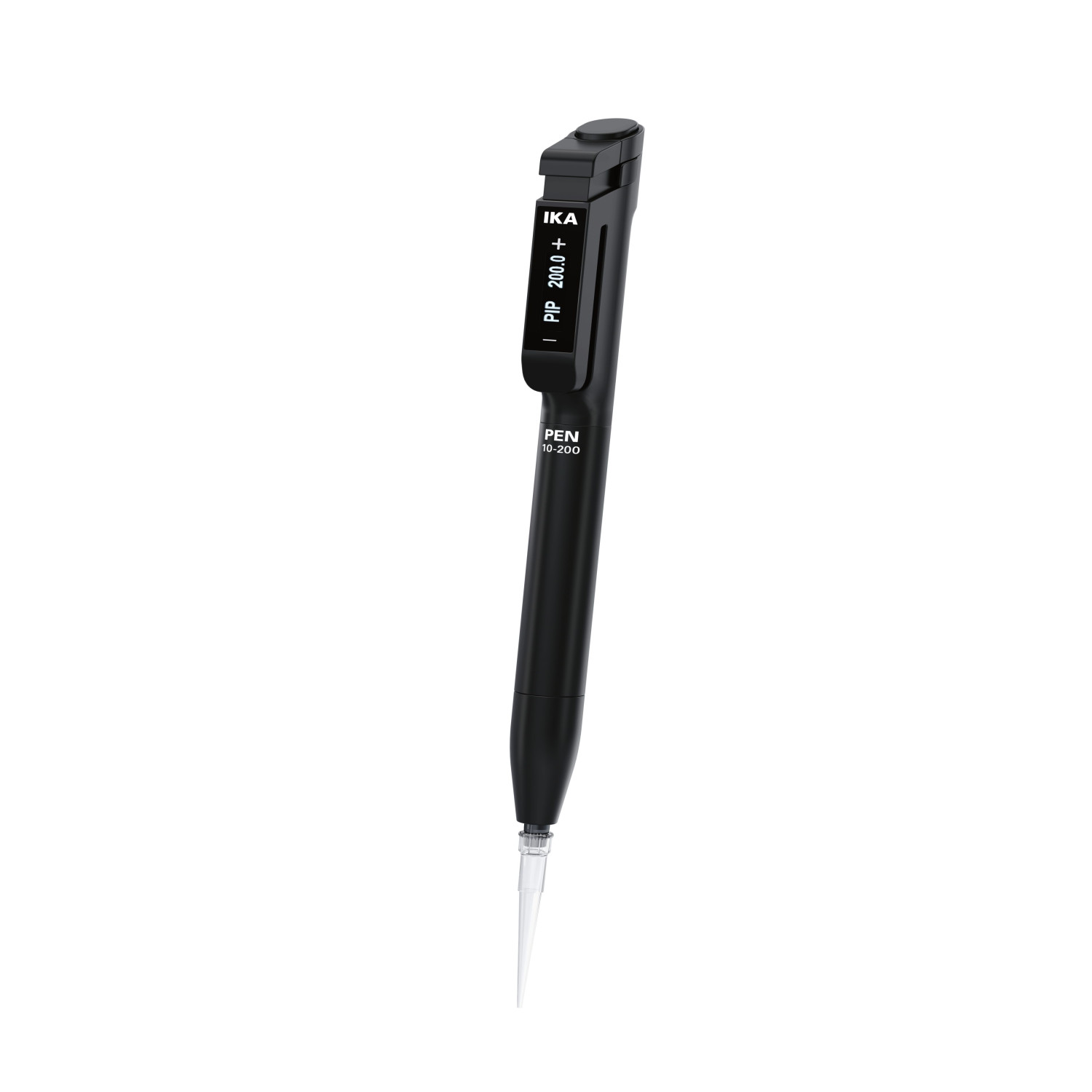
Unlike a manual pipette, an electronic pipette uses a motor-driven mechanism to automate drawing and dispensing. By minimizing repetitive thumb movements, it helps improve pipetting consistency while making routine liquid handling more comfortable.
Depending on the model, electronic pipettes may include:
- A manual pipette relies on thumb-operated plunger control for every drawing and dispensing step.
- An electronic pipette performs these movements automatically using an integrated motor, helping reduce repetitive hand movements while improving consistency during laboratory work.
Typical applications include:
However, laboratories with demanding daily workflows often benefit from the improved efficiency and user comfort of the electronic pipettes.
For laboratories performing repetitive liquid handling, electronic pipettes offer improved consistency, enhanced user comfort, and greater workflow efficiency. Selecting the right pipetting solution not only supports accurate and reproducible results but also contributes to a more productive laboratory environment.
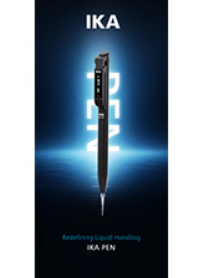
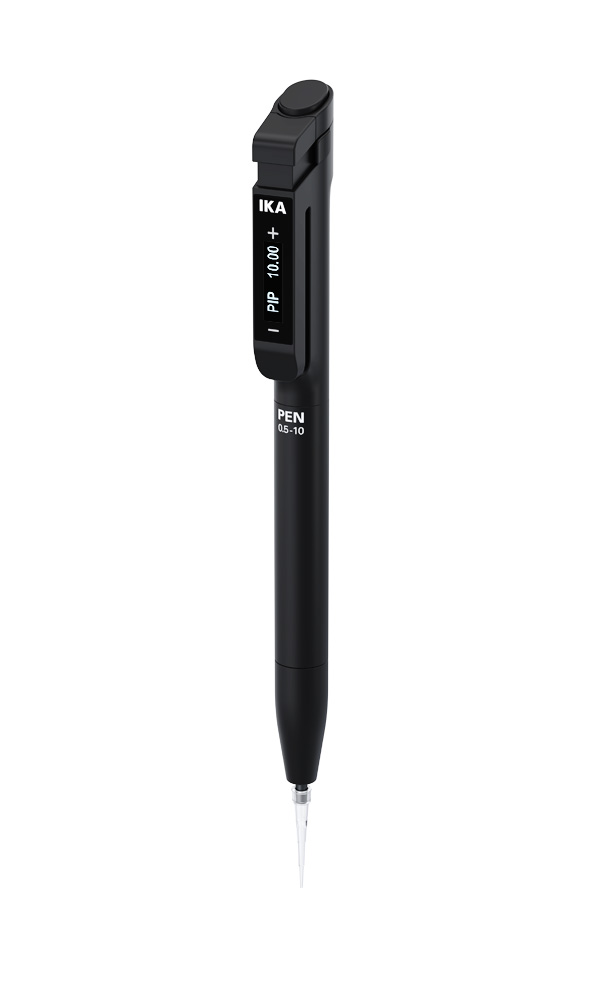
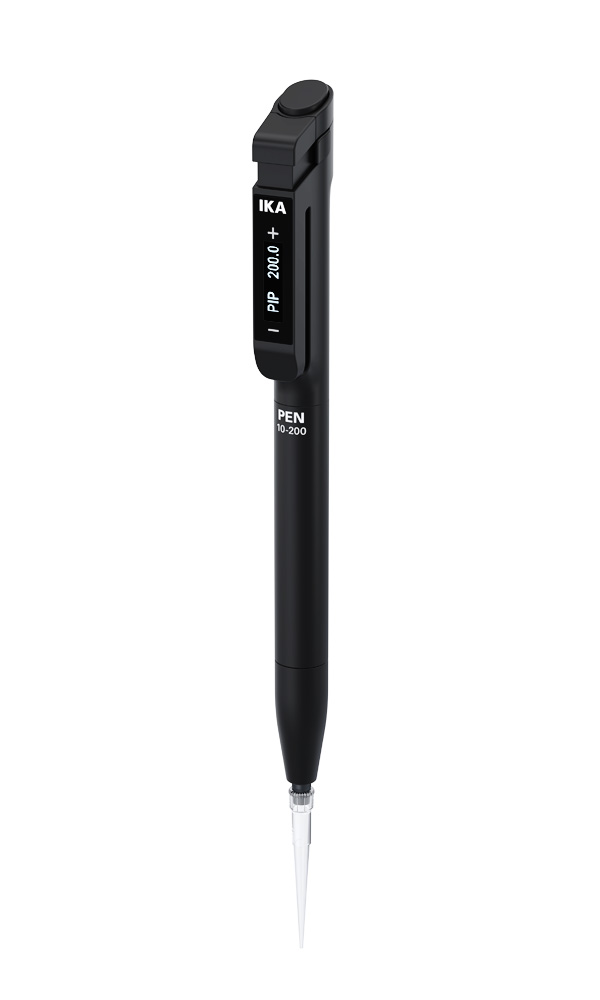
IKA PEN electronic pipette
Related Products
Pipetting Smarter: Why More Laboratories Are Switching to Electronic Pipettes
Why Pipetting Accuracy Matters
Pipetting is one of the most frequently performed laboratory tasks. Whether preparing samples, performing serial dilutions, or transferring reagents, consistent liquid handling is important to obtain reliable and reproducible results.Even small variations in pipetting technique can affect experimental accuracy, making the choice of pipette just as important as proper laboratory practice.
What Is an Electronic Pipette?
Unlike a manual pipette, an electronic pipette uses a motor-driven mechanism to automate drawing and dispensing. By minimizing repetitive thumb movements, it helps improve pipetting consistency while making routine liquid handling more comfortable.
Depending on the model, electronic pipettes may include:
- Multiple pipetting modes
- Ergonomic operation
- Digital connectivity
- Programmable pipetting protocols
Electronic vs. Manual Pipettes
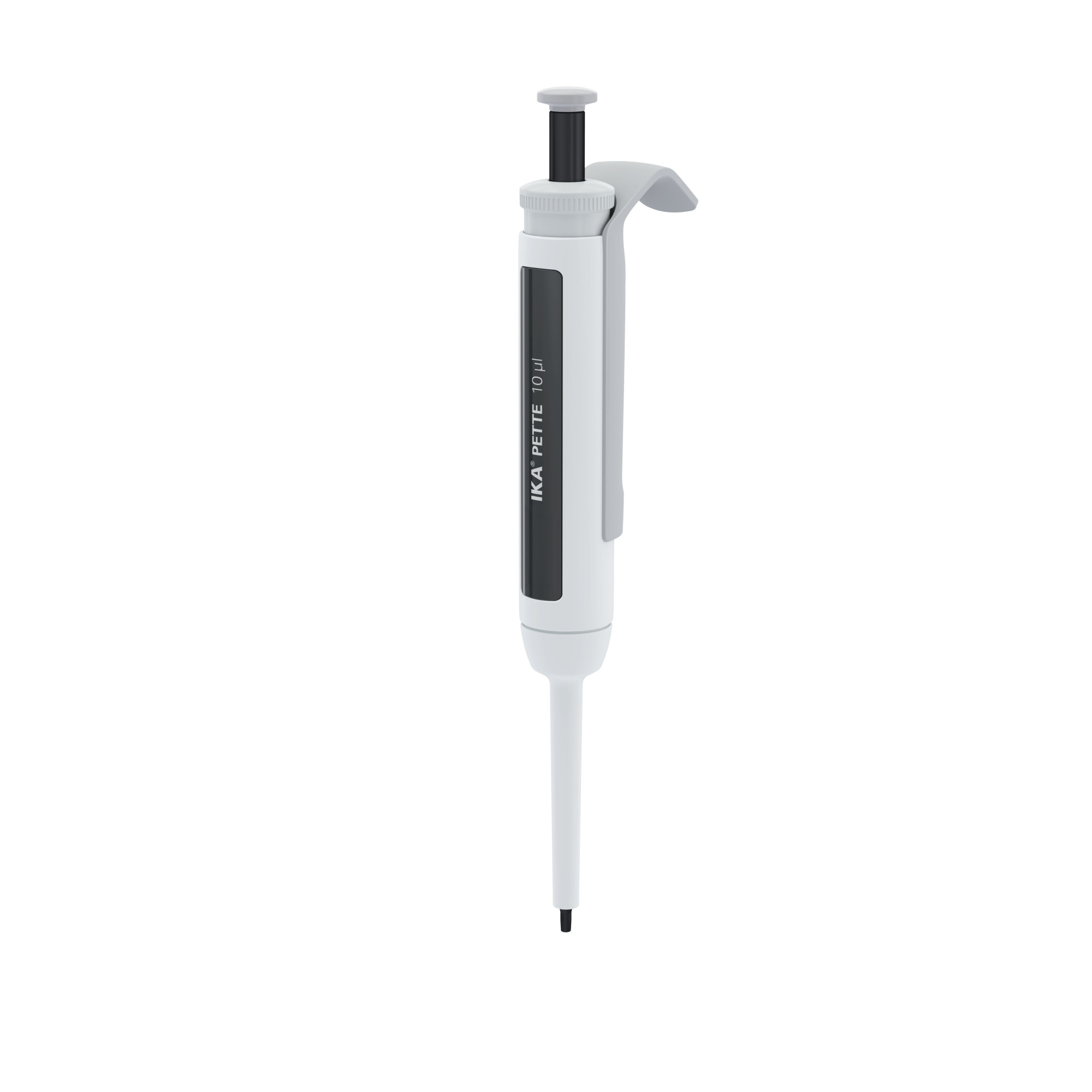
Manual and electronic pipettes are both designed for accurate liquid transfer, but they operate differently.- A manual pipette relies on thumb-operated plunger control for every drawing and dispensing step.
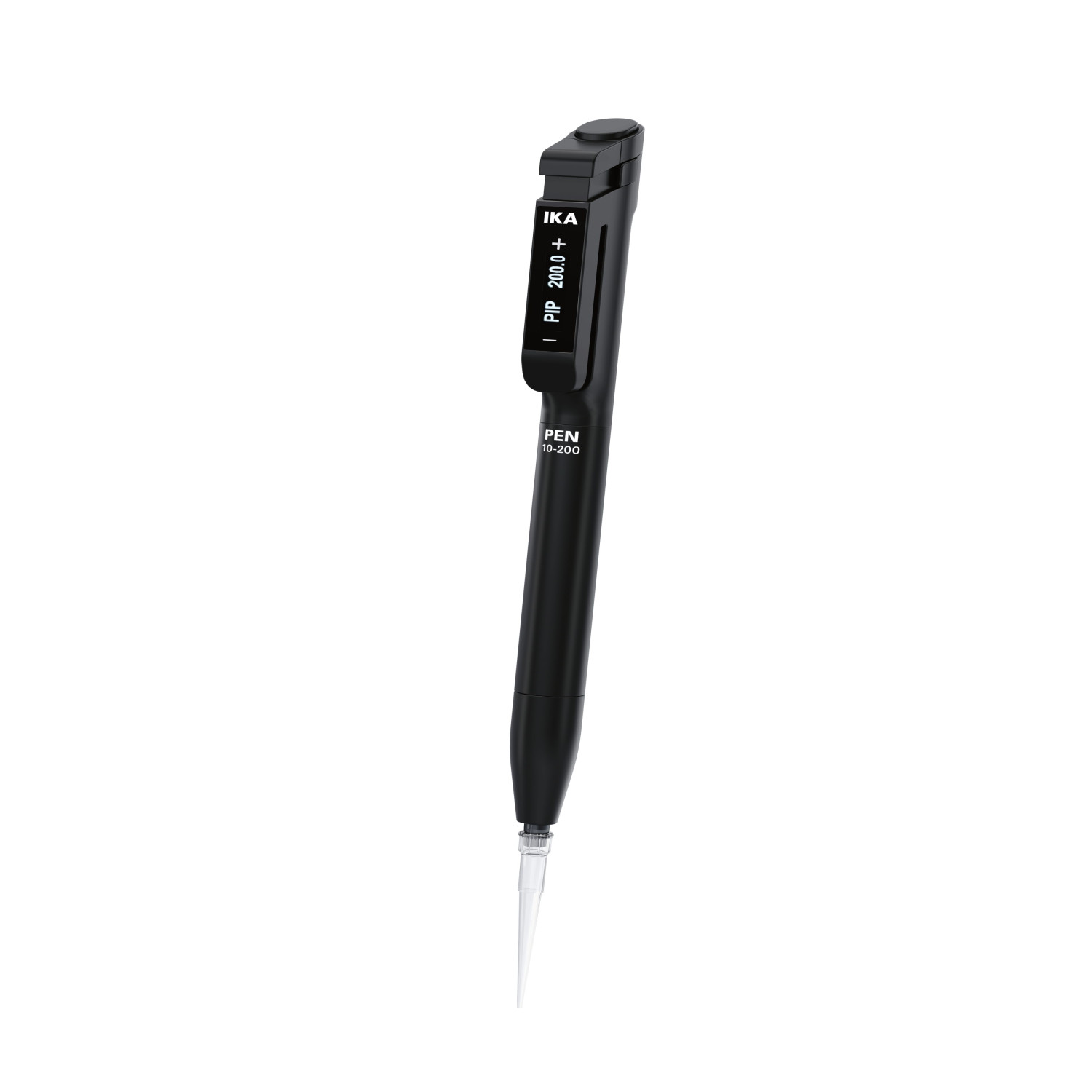
- An electronic pipette performs these movements automatically using an integrated motor, helping reduce repetitive hand movements while improving consistency during laboratory work.
 |
 |
|
Feature |
Manual Pipette |
Electronic Pipette |
| Operation | Manual plunger | Motor-driven |
| Accuracy | Operator dependent | More consistent |
| User fatigue | Higher | Lower |
| Pipetting modes | Standard | Multiple modes |
| Workflow efficiency | Moderate | Higher |
| Connectivity | None | Software/App support |
Why Choose an Electronic Pipette?
As laboratory procedures become more repetitive, electronic pipettes help simplify liquid handling while also supporting consistent and reliable results.Greater User Comfort
Long pipetting sessions can cause strain on the thumb, wrist, and hand. Electronic pipettes reduce repetitive manual movements, making everyday pipetting more pleasant.- Less thumb fatigue
- Fewer repetitive motions
- Better comfort during long sessions
Flexible Pipetting Modes
Different laboratory procedures require different pipetting techniques. Rather than switching between instruments, electronic pipettes combine multiple pipetting modes into a single device.- Standard pipetting
- Reverse pipetting
- Multi dispensing
- Dilution
- Manual mode
Improved Workflow Efficiency
Automating repetitive liquid handling helps laboratories maintain consistency while reducing manual intervention.- Automated drawing and dispensing
- Improved sample consistency
- Reduced operator error
- Programmable pipetting protocols
Digital Workflow Support
Some electronic pipettes support software or mobile application connectivity, making it easier to standardize methods and manage laboratory workflows.- Software-based configuration
- Simplified instrument setup
- Standardized workflows
Reliable Everyday Performance
Rechargeable batteries help keep electronic pipettes ready for continuous laboratory use.- Long-lasting lithium battery
- Convenient charging interfaces
- Reduced downtime
When Is an Electronic Pipette the Right Choice?
It is particularly suitable for laboratories that perform repetitive liquid handling, require high levels of consistency or work with complex pipetting procedures.Typical applications include:
- Serial dilutions
- Cell culture
- High-throughput sample preparation
However, laboratories with demanding daily workflows often benefit from the improved efficiency and user comfort of the electronic pipettes.
Choosing the Right Pipette for Your Laboratory
Both manual and electronic pipettes play an important role in modern laboratories. The right choice depends on your application, sample throughput, and daily workflow requirements.For laboratories performing repetitive liquid handling, electronic pipettes offer improved consistency, enhanced user comfort, and greater workflow efficiency. Selecting the right pipetting solution not only supports accurate and reproducible results but also contributes to a more productive laboratory environment.
RELATED CONTENT
 |
 |
| IKA PEN | Product News |
VIDEO
IKA PEN electronic pipette
Related Products

If you have any questions or wish to receive a personal quotation, please contact our sales team
请联系我们
< Back to Blog overview请联系我们