
< Back to Blog overview

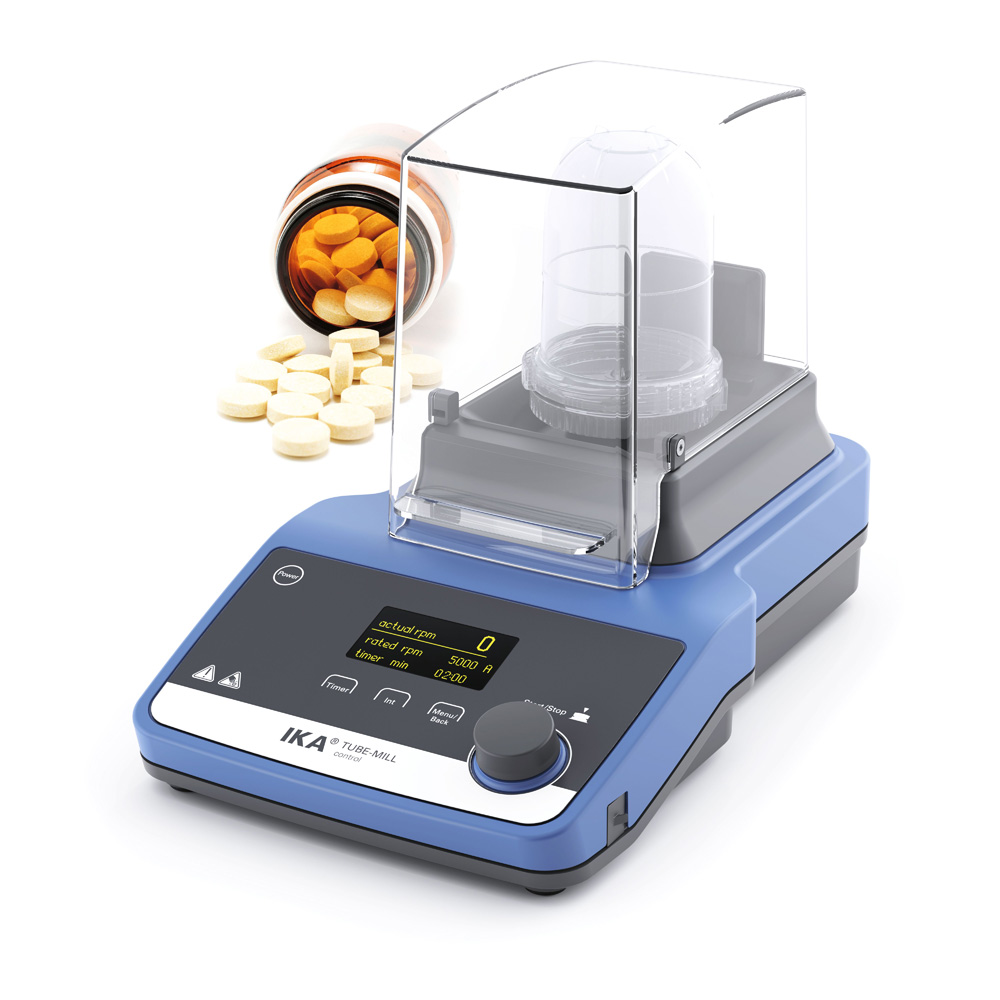
In personalized medicine—particularly for pediatric, geriatric, or dysphagic patients—modifying solid oral dosage forms like tablets is often necessary to ensure accurate dosing and ease of administration. This overview evaluates the performance of various commercially available devices used to split, crush, or grind tablets, helping healthcare professionals and caregivers select the most suitable tool based on particle size, ease of use, residue loss, and suitability for feeding tubes or capsule preparation.
2. Tablet types : Varied by diameter (9 mm, 13 mm) and hardness (100–220 N).
3. Measurements included :
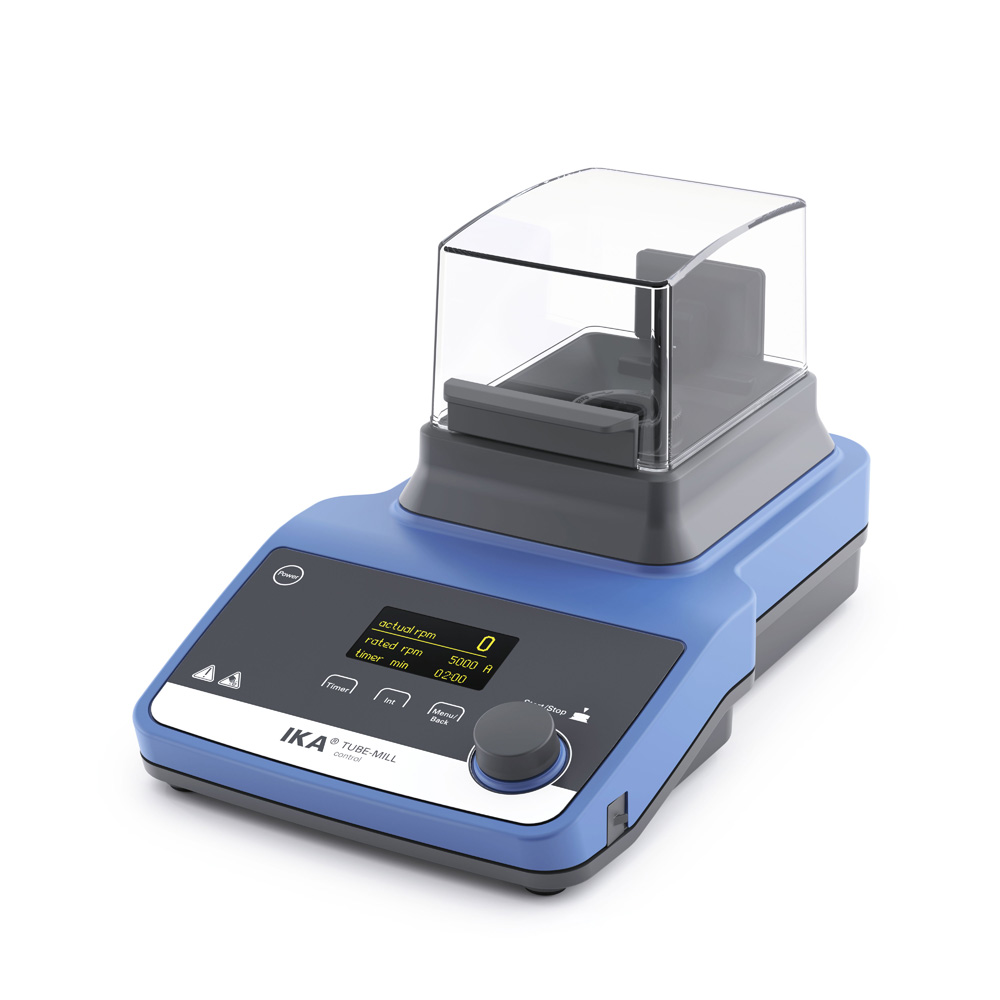
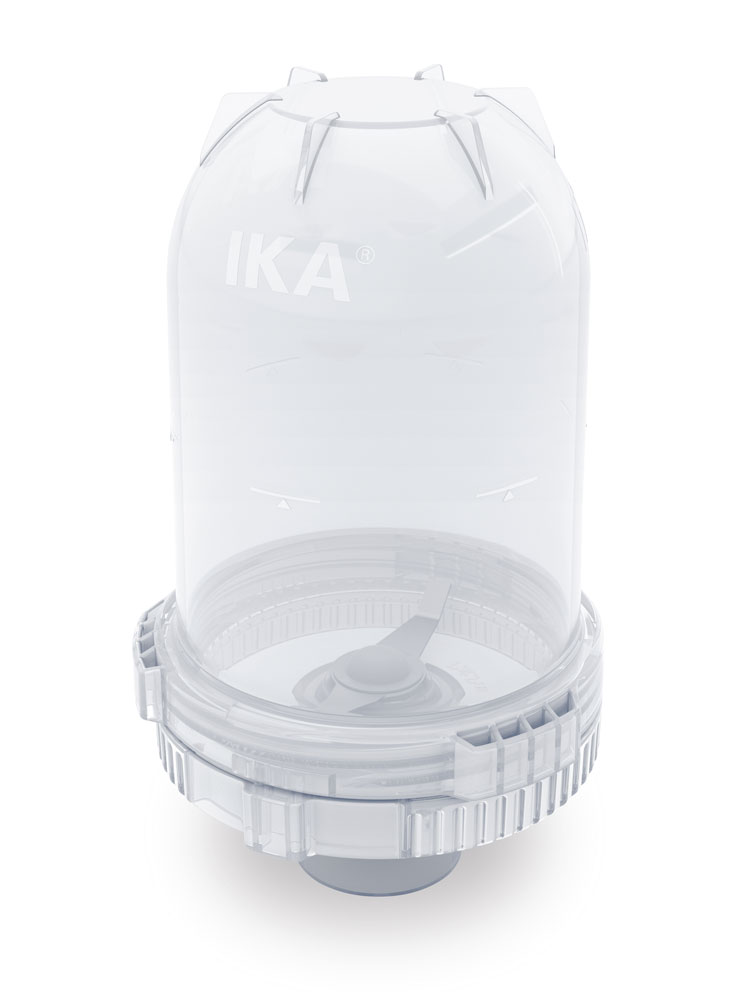
Tube Mill control
Related Products
Performance of Tablet Splitters, Crushers, and Grinders in Relation to Personalized Medication with Tablets
Published in: Pharmaceutics (2022)In personalized medicine—particularly for pediatric, geriatric, or dysphagic patients—modifying solid oral dosage forms like tablets is often necessary to ensure accurate dosing and ease of administration. This overview evaluates the performance of various commercially available devices used to split, crush, or grind tablets, helping healthcare professionals and caregivers select the most suitable tool based on particle size, ease of use, residue loss, and suitability for feeding tubes or capsule preparation.
Methodology:
1. Devices tested : Tablet splitters, screwcap crushers, manual grinders, and electric grinders.2. Tablet types : Varied by diameter (9 mm, 13 mm) and hardness (100–220 N).
3. Measurements included :
- Accuracy of splitting
- Crushing/grinding time
- Residue loss
- Particle size distribution (important for feeding tube use or capsule making)
Comparison: IKA Tube Mill control vs. other devices
| Feature | IKA Tube Mill control | Severo (electric) | Manual Grinders | Screwcap Crushers |
| Particle Size (d90) | As low as 55 µm (with 1–3 min grind time) | 45–60 µm | 80–95 µm on average | >600 µm (mostly too coarse) |
| Capacity | Up to 10 tablets at once | Only 1 tablet at a time | 1 tablet at a time | 1 tablet at a time |
| Speed (Time Efficiency) | 1–3 min grinding time | Multiple 8s pulses (up to 40s) | 10–90 sec depending on tablet hardness | Often 90–180 sec (harder tablets difficult) |
| Residue Loss | Low (1–5%) when grinding multiple tablets | Low (2–5%) | Variable (some up to 15%) | Variable (1–7%) |
| Ease of Use | Very easy, automated | Moderate (automated but slower) | Requires moderate manual effort | Labor-intensive |
| Suitability for feeding tubes or capsules | Excellent – fine and homogeneous powder | Good | Variable – some large chunks | Poor – powder often too coarse |
| Cleaning / Contamination Risk | Disposable tubes avoid cross-contamination | Uses plastic separators (rondels) | Requires manual cleaning | Risk of plastic wear (e.g., Vitility) |
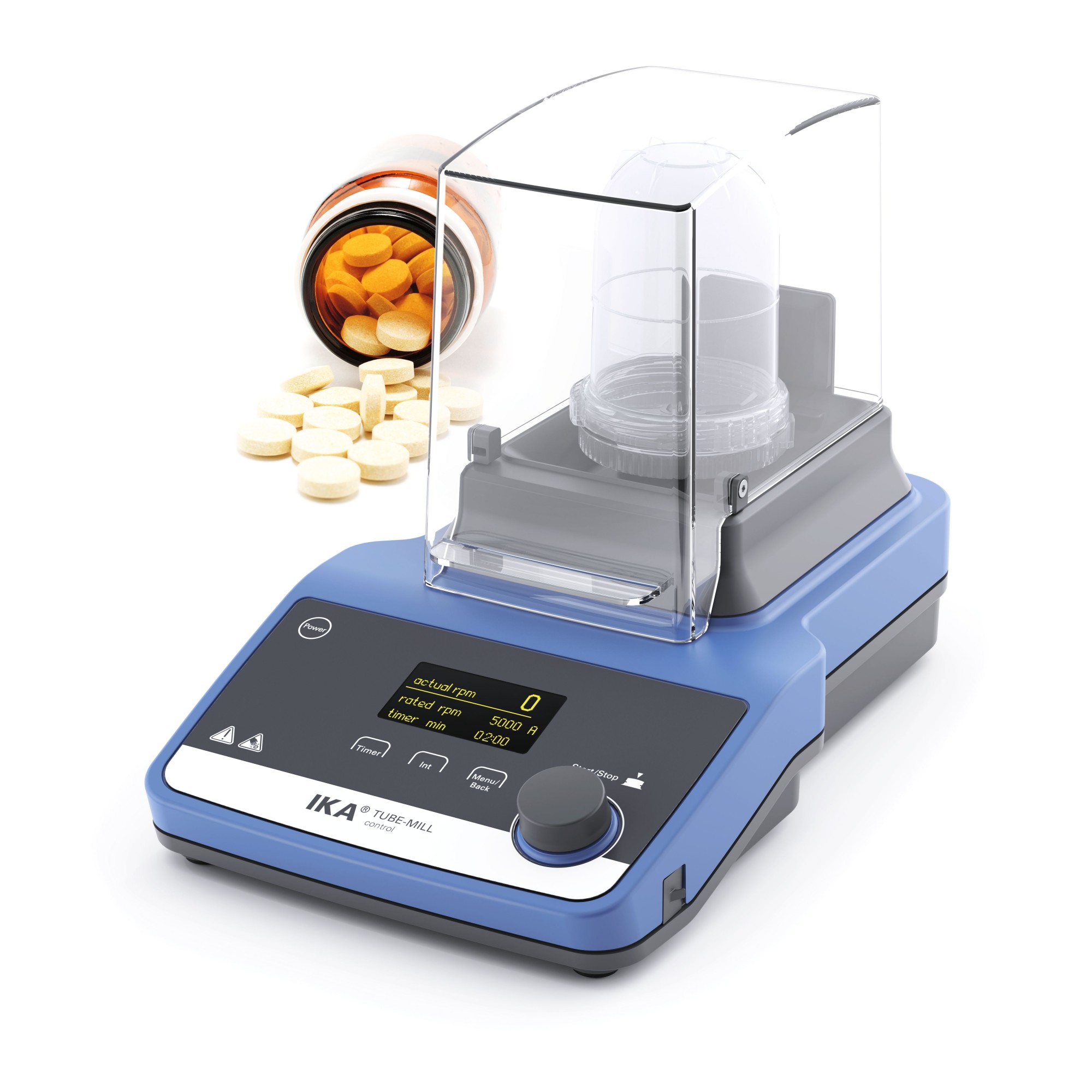
Conclusion: IKA Tube Mill control
-
Best suited for professional settings where frequent, high-precision tablet pulverization is needed (e.g., for capsules or enteral feeding).
-
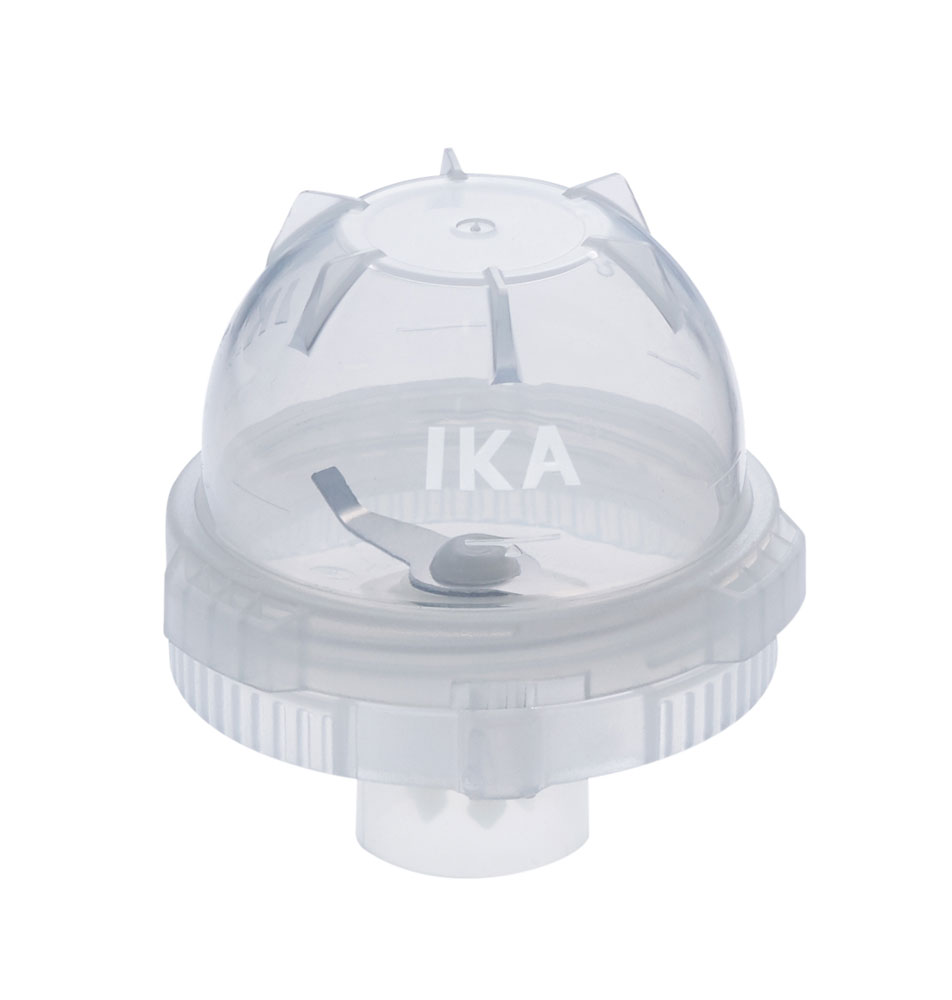
Advantages: High efficiency, fine powder quality, consistent particle size, ability to process multiple tablets, and disposable attachments reduce contamination risk.
-
Trade-off: Enhanced performance with the convenience of disposable parts, though with a higher cost and environmental consideration.
RELATED CONTENT
 Disposable and reusable crushing systems |
 Tube Mill Brochure |
 Selection Guide - Consumables for milling |
VIDEO
Tube Mill control
Related Products
If you have any questions or wish to receive a personal quotation, please contact our sales team
请联系我们
< Back to Blog overview请联系我们