
< Back to Blog overview
201707.jpg)
Cross-coupling between two similar or identical functional groups to form a new C–C bond is a powerful tool to rapidly assemble complex molecules from readily available building units. The Kolbe electrolysis involves the oxidative electrochemical decarboxylation of alkyl carboxylic acids to their corresponding radical species, followed by recombination to generate a new C–C bond. Despite its incredible promise for organic synthesis, this promise is undermined by the strongly oxidative electrolytic protocol traditionally used since the 19th century, thereby severely limiting its scope. Therefore, a mildly reductive electrocatalytic system is aimed for.
Reaction scheme

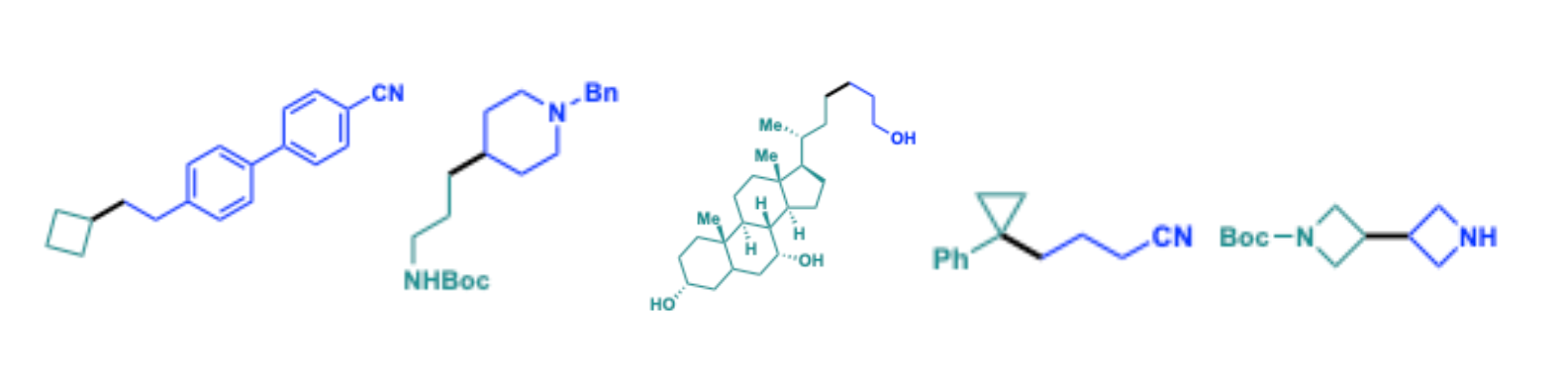
Selected scope

Electrochemistry
Related Products
Ni-Electrocatalytic C(sp3)–C(sp3) Doubly Decarboxylative Coupling
LIMITATIONS OF TRADITIONAL KOLBE ELECTROLYSIS
This case study was reported in Ni-electrocatalytic Csp3–Csp3 doubly decarboxylative coupling | Nature (P. S. Baran et al., Nature 2022, 606, 313).Cross-coupling between two similar or identical functional groups to form a new C–C bond is a powerful tool to rapidly assemble complex molecules from readily available building units. The Kolbe electrolysis involves the oxidative electrochemical decarboxylation of alkyl carboxylic acids to their corresponding radical species, followed by recombination to generate a new C–C bond. Despite its incredible promise for organic synthesis, this promise is undermined by the strongly oxidative electrolytic protocol traditionally used since the 19th century, thereby severely limiting its scope. Therefore, a mildly reductive electrocatalytic system is aimed for.
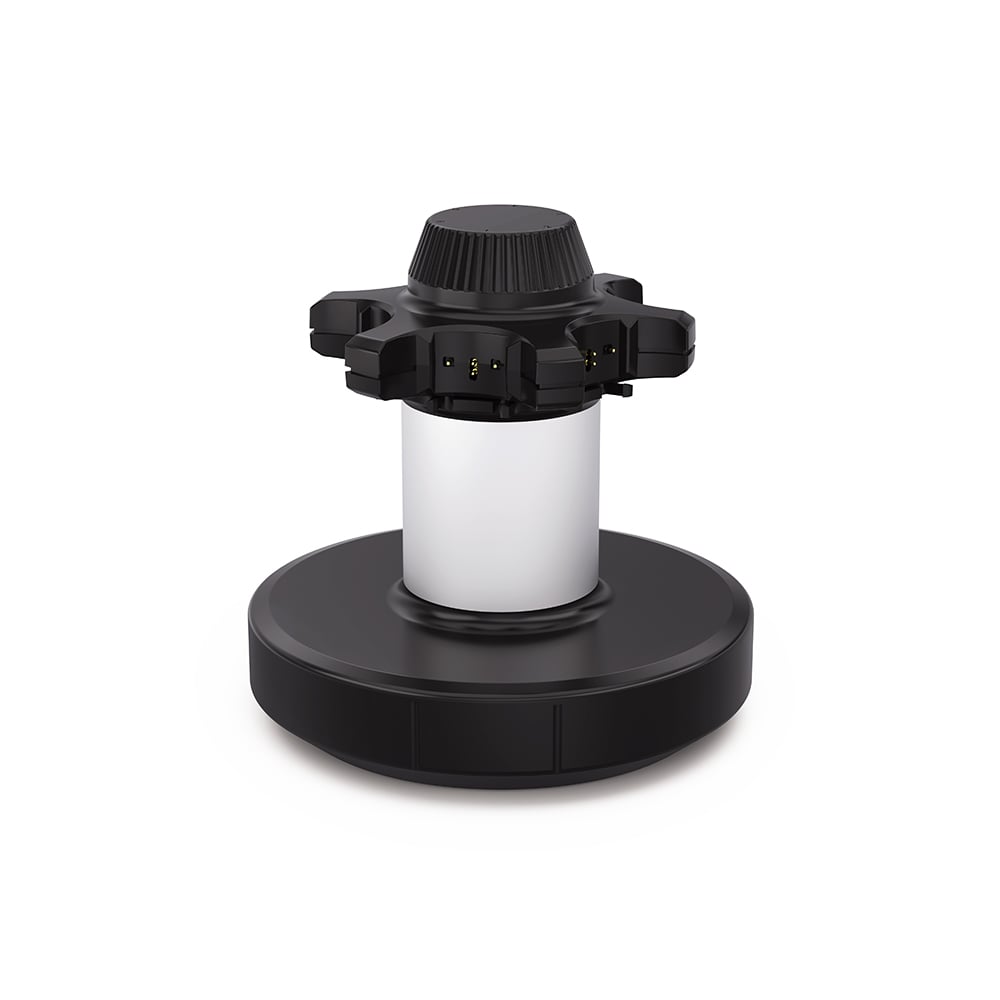
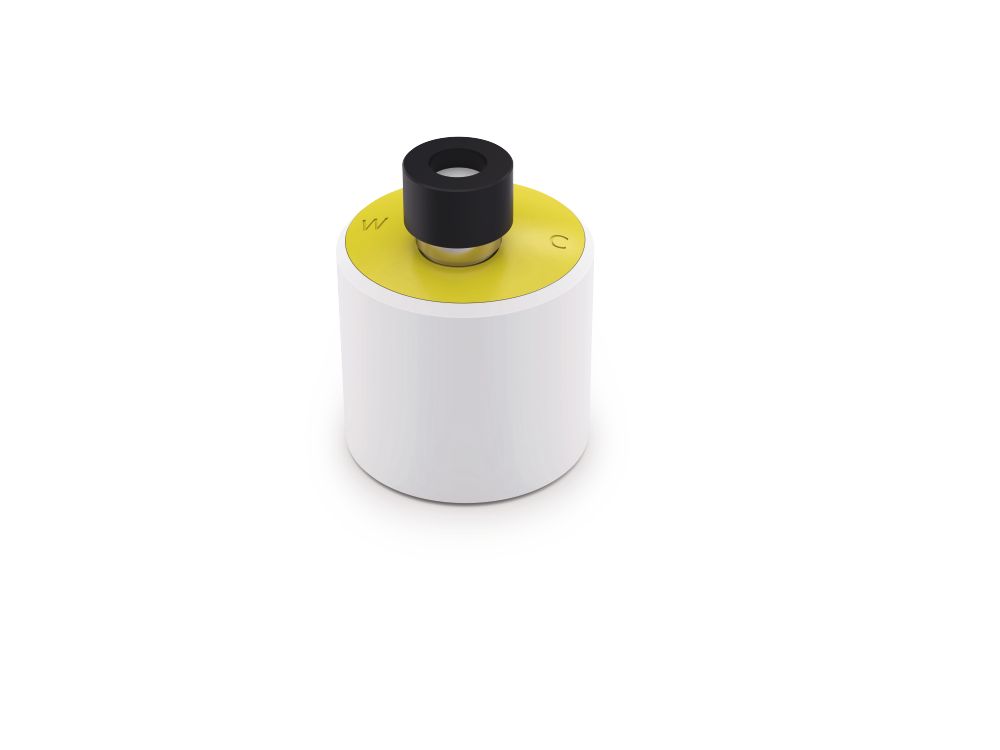
DEVELOPING A MILDLY REDUCTIVE ELECTROCATALYTIC SYSTEMIn its fully optimized form, the double decarboxylative coupling (dDCC) takes place through a convenient one-pot procedure, which does not require rigorous degassing and anhydrous conditions.In the experiments, ElectraSyn provides a platform to optimize reaction conditions, in combination with the accessory Carousel to perform parallel synthesis. |
ONE-POT PROCEDURE FOR DDCC
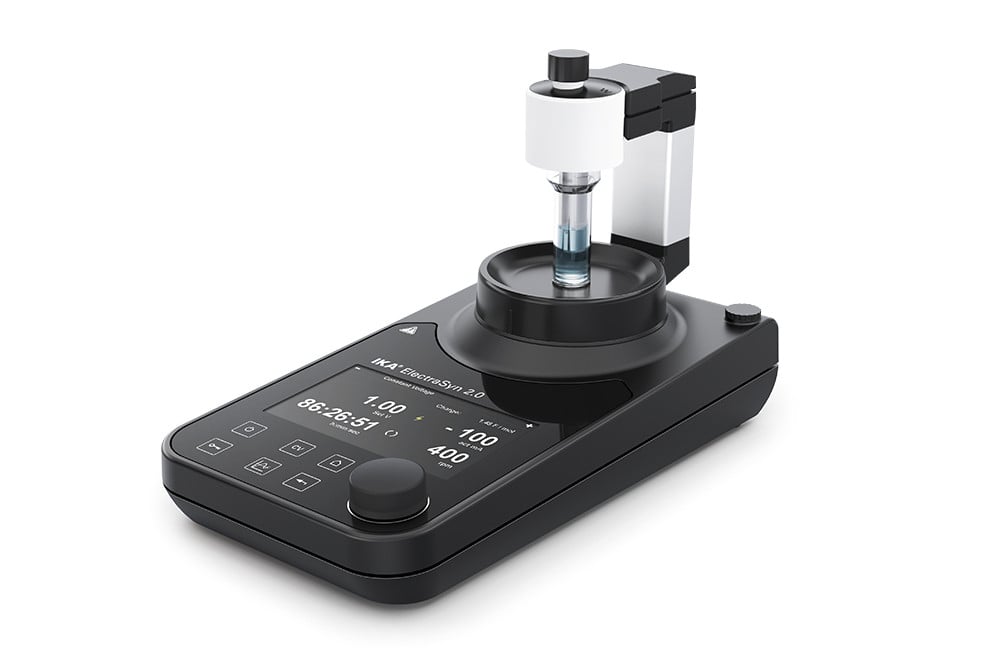
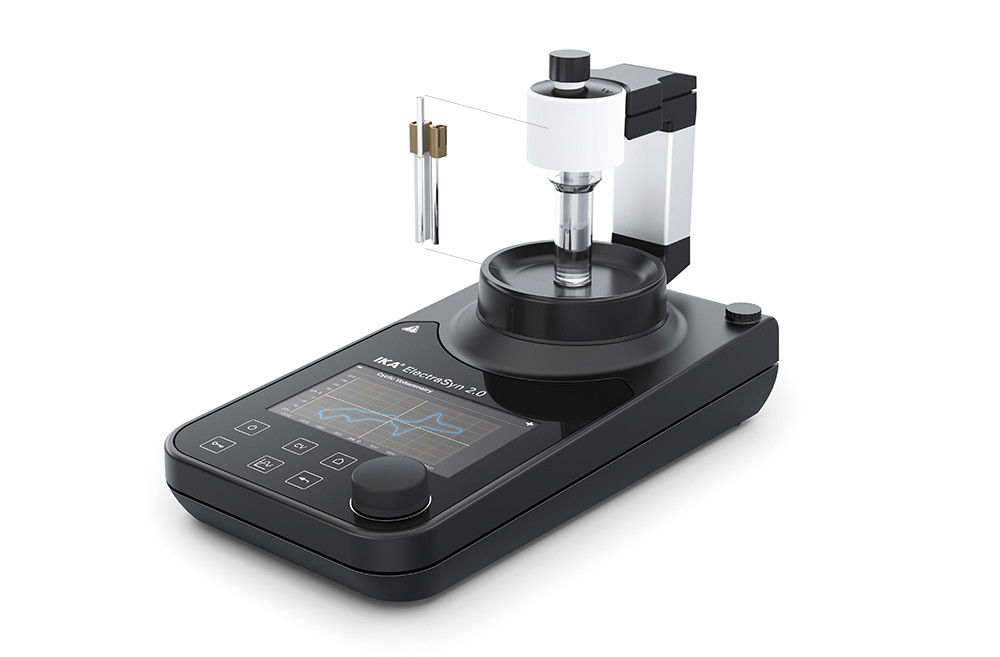
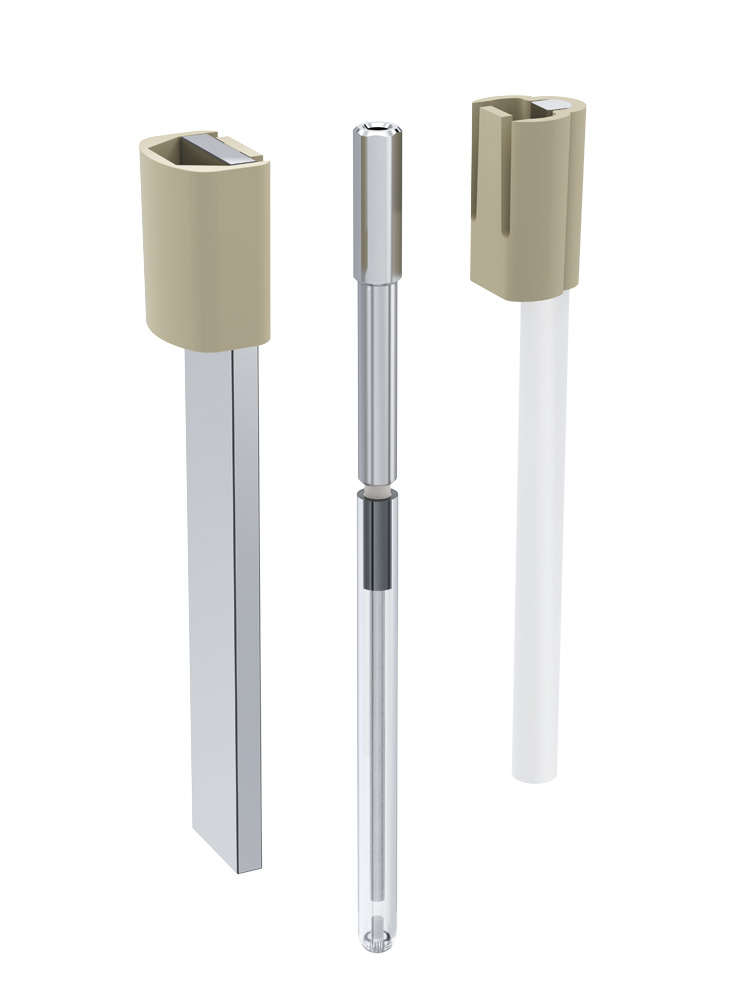
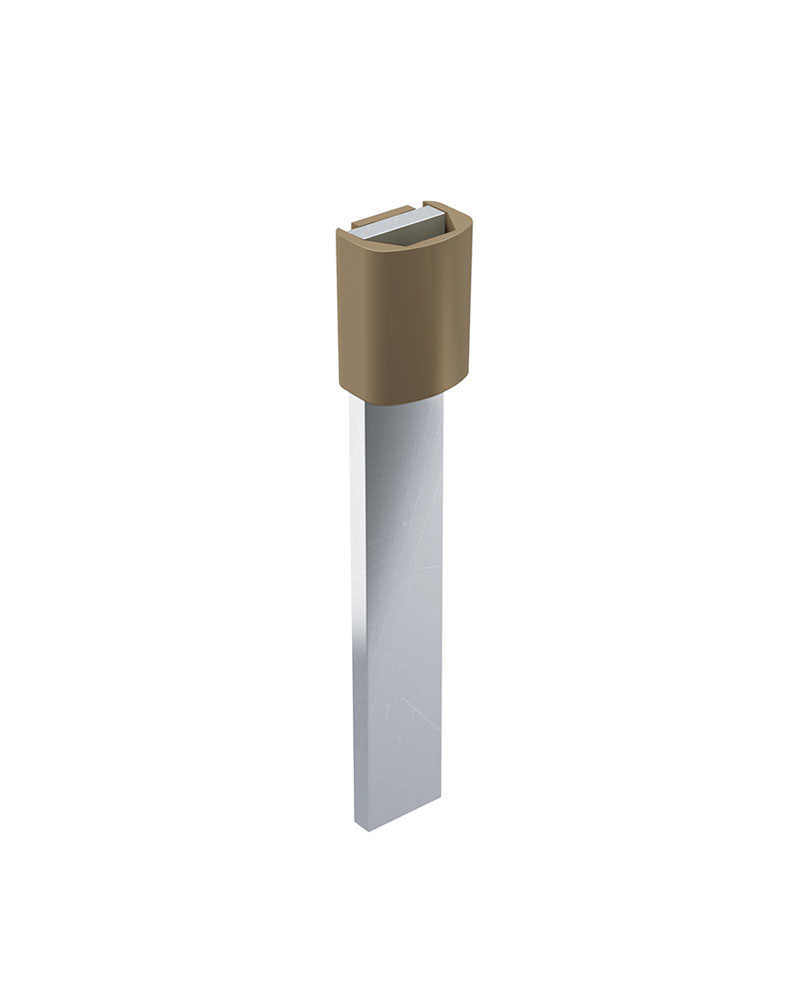
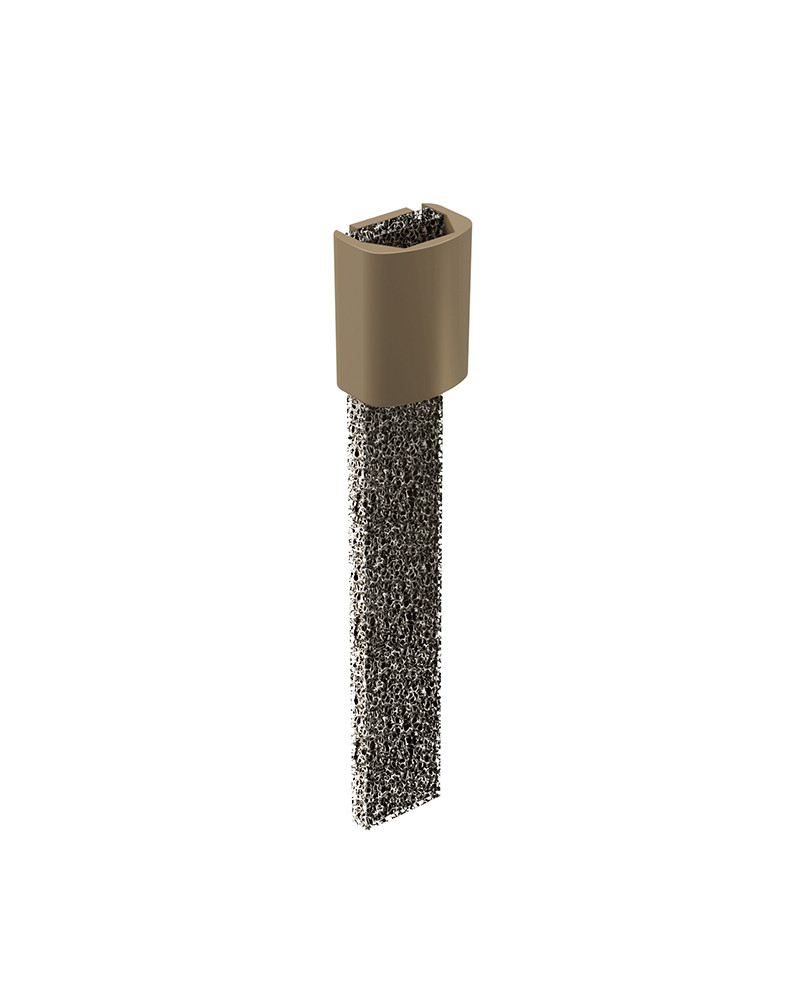
The general procedure proceeds as follows: to a mixture of acid components (the less expensive of which is used in 3 equiv.) in CH2Cl2 are added diisopropylcarbodiimide (DIC) and N-hydroxyphthalimide (NHPI) (1.1 equiv. each relative to total acid quantity, 4.4 equiv. total) along with catalytic amount of 4-dimethylaminopyridine (10 mol% to total acid quantity, 0.4 equiv. total). After stirring for 1 h, without any solvent removal, the solution is diluted with N,N dimethylformamide and NiCl2•dme along with L4 are added (roughly 5 mol% each relative to total acid quantity, 20 mol% total), followed by the addition of NaI (0.2 M). Electrolysis using a standard ElectraSyn 2.0 potentiostat (Zn anode and Ni foam cathode) for about 2.5 h (0.1 mmol scale), followed by standard workup and purification, delivers the coupled product.Reaction scheme
ADVANCEMENTS IN NI-ELECTROREDUCTIVE COUPLING
In this article, the authors report the invention of Ni-electroreductive Doubly Decarboxylative Coupling that enables 73% step-count reduction (relative to literature routes across 32 compounds, >160 steps were reduced in total) to access both simple and complex building blocks. Scalable heterocouplings of a wide range of 1° and 2° RAEs are now possible using an inexpensive Ni catalyst, a commercial potentiostat and a simple experimental setup on a par with the simplicity of classic amide-bond formation.Selected scope
RELATED CONTENT
 ElectraSyn Case Studies |
 Electrosynthesis flyer |
VIDEO
Electrochemistry
Related Products
If you have any questions or wish to receive a personal quotation, please contact our sales team
请联系我们
< Back to Blog overview请联系我们