
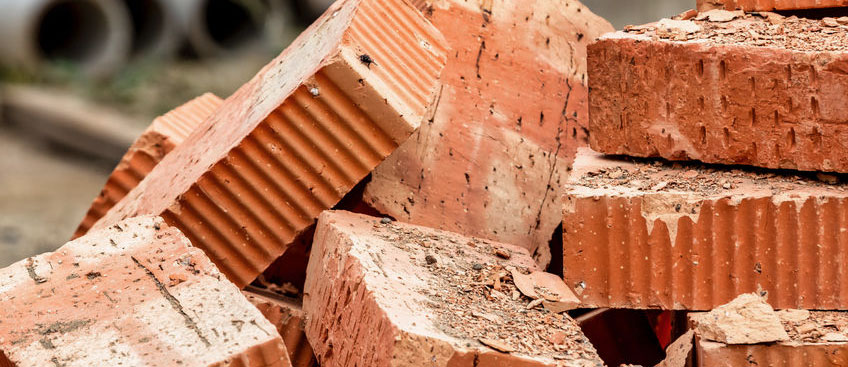
Gross Calorific Value of Bricks
CHALLENGES WHEN BURNING BRICKS IN THE CALORIMETER
Bricks cannot simply be burned directly in the calorimeter as they contain a fairly high proportion of non-combustible, inorganic materials. Burning such a material requires proper sample preparation and careful selection of kiln furniture to ensure that the product burns completely.
SAMPLE PREPARATION
During sample preparation, the samples are first ground into a fine powder. The smaller the particle size, the better the sample burns completely.
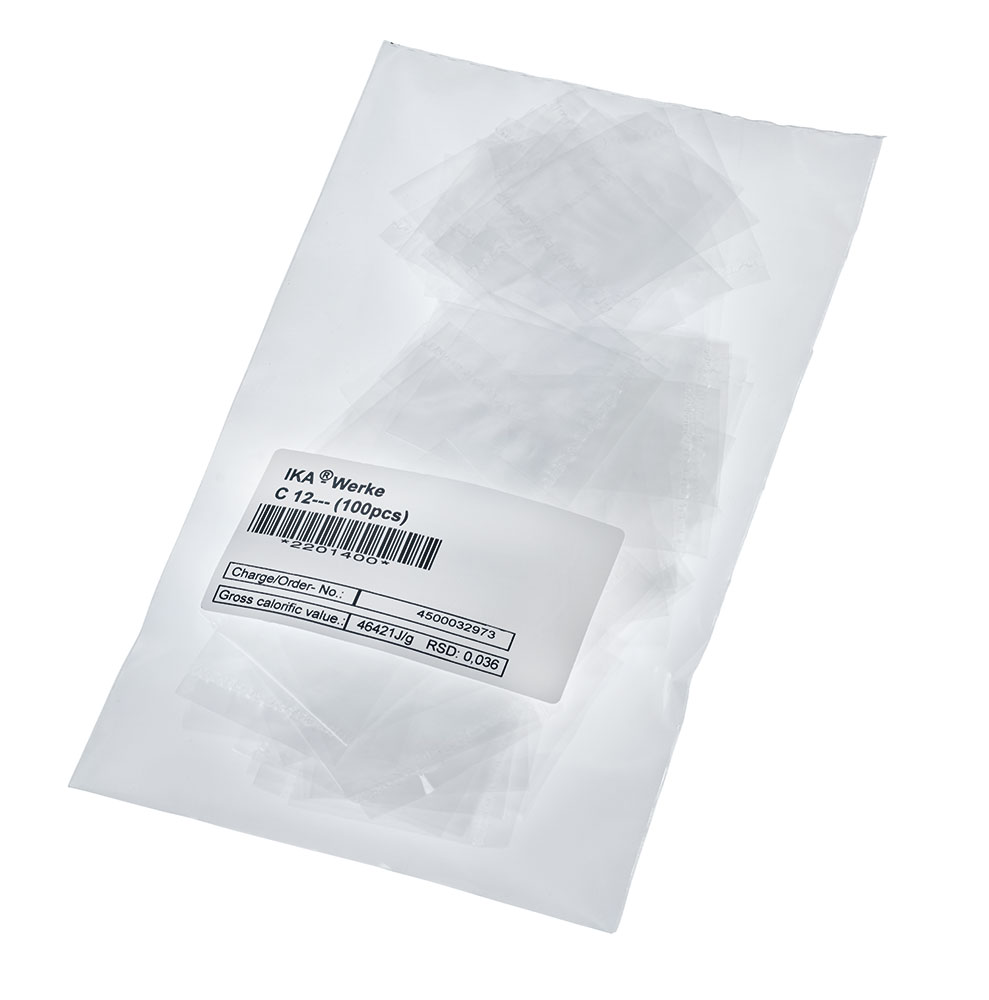
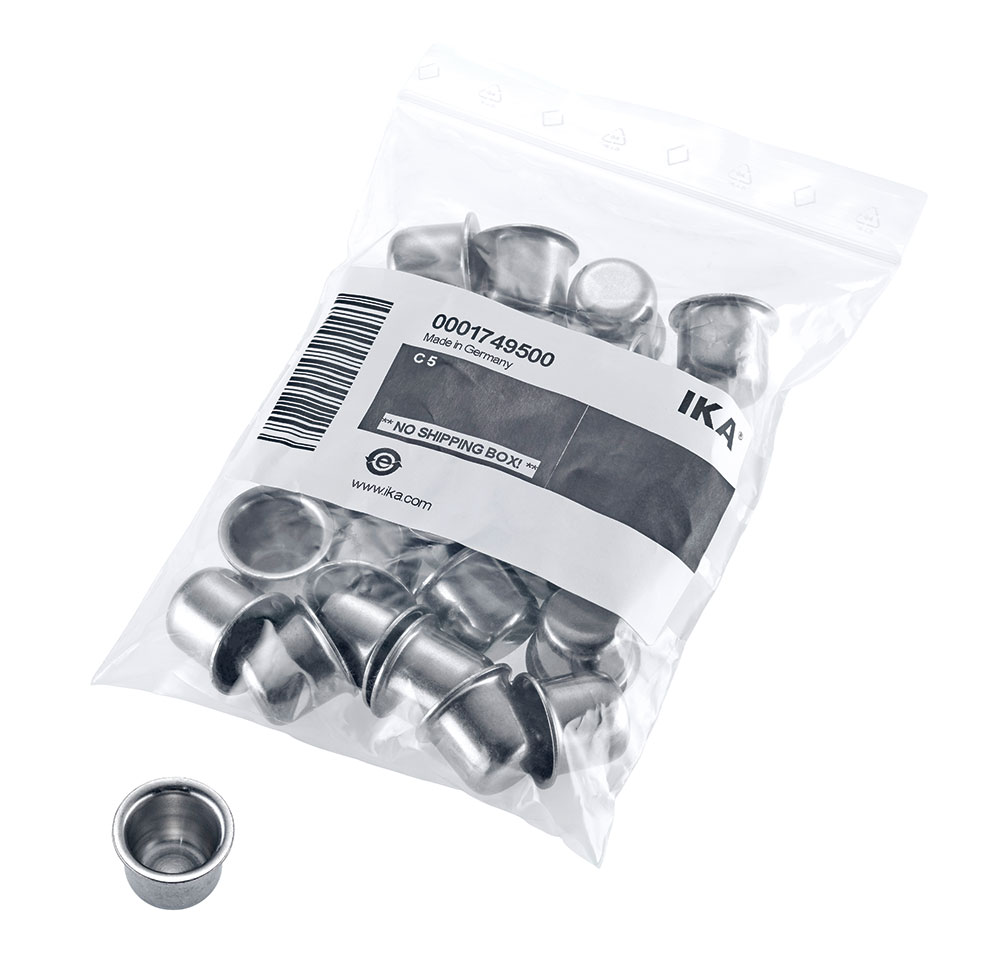
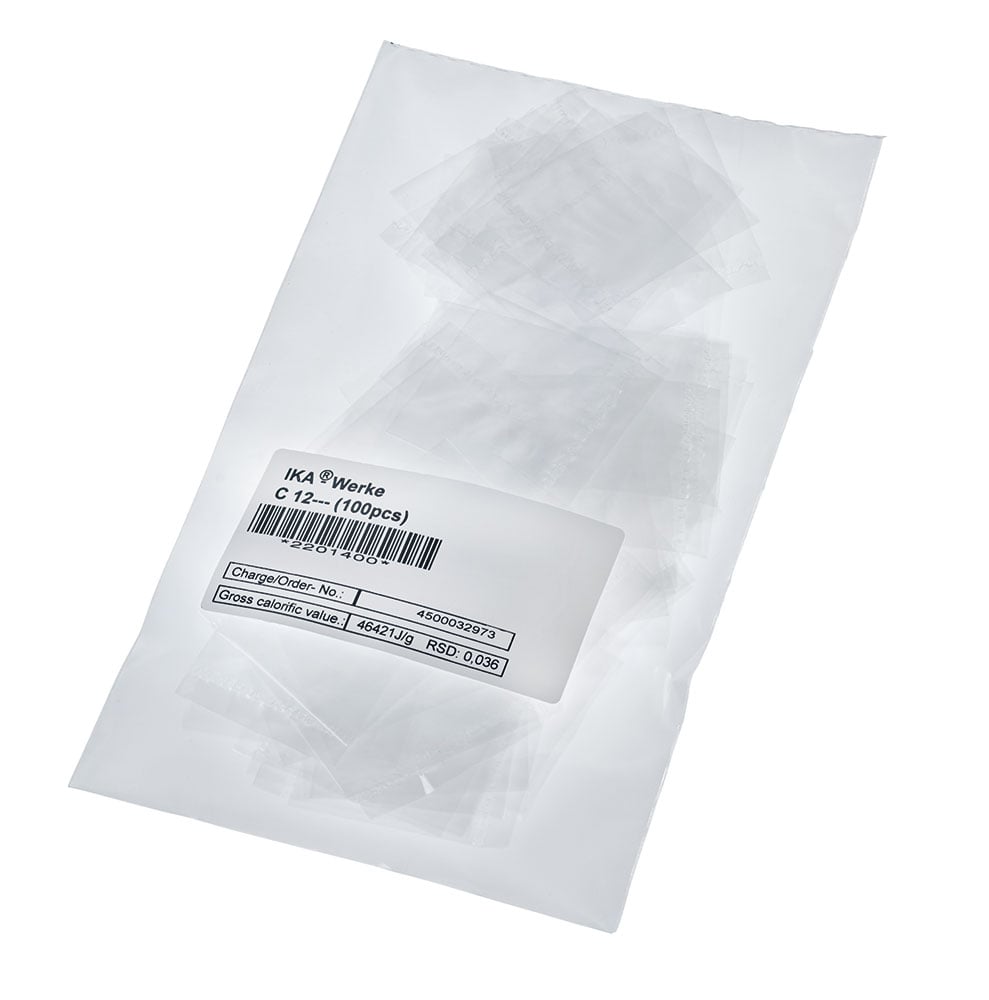
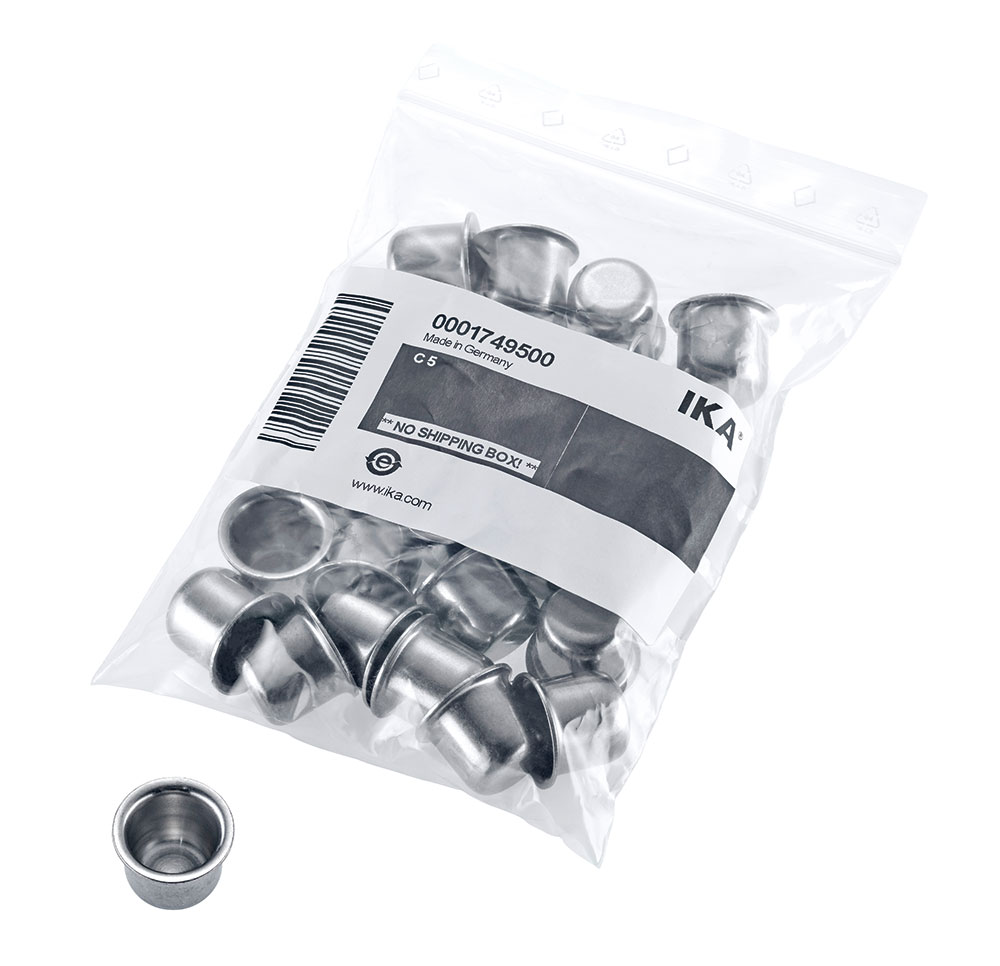
To prevent the fine powder from escaping from the crucible during ignition or the general combustion process in the digestion vessel of the calorimeter and to ensure complete combustion, the use of C 5 Set of VA combustion crucibles, C 12 combustion bags 40 x 35 mm and white granulated sugar is selected for this application to enable more uniform combustion of the sample. Its calorific value was previously determined on the calorimeter.
CALIBRATION AND PERFORMANCE
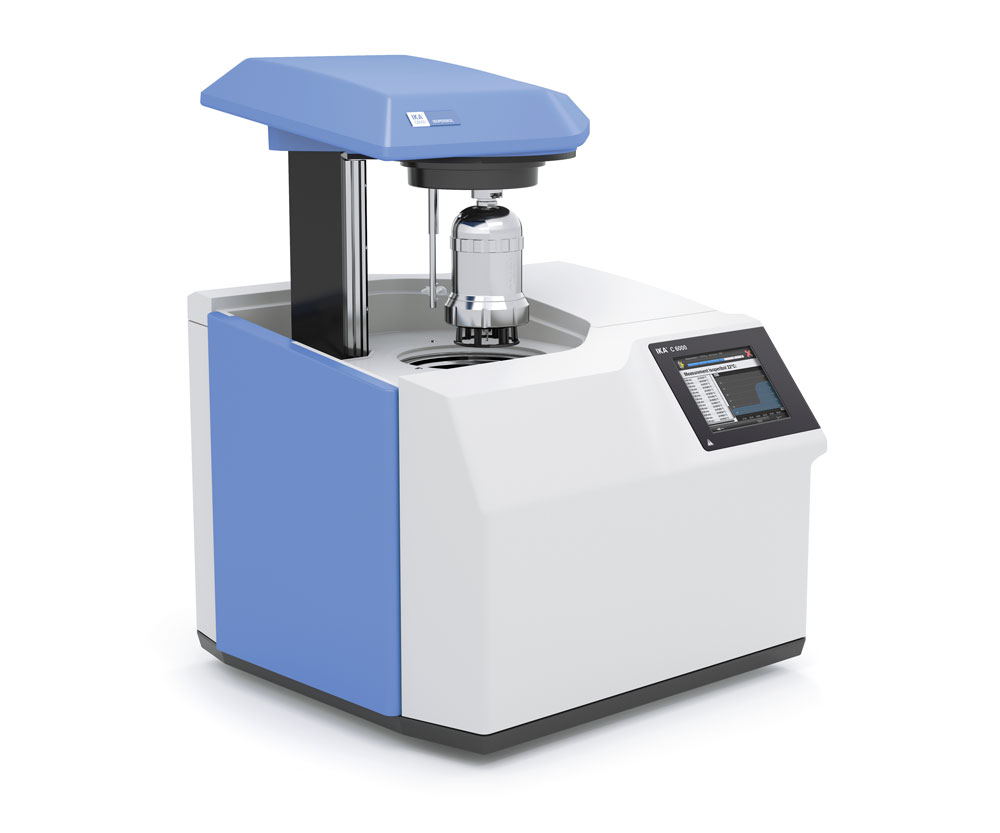
The calorimeter was calibrated with 0.5 g benzoic acid. The temperature increase of the sample plus combustion aid is almost the same as for calibration.First, the weight of the combustion bag is determined on the analytical balance. It is multiplied by the reference combustion value in J/g printed on the label of the PE bag to find out how much energy is introduced by the bag. With the C 6000 i.e., the reference value can be entered into the calorimeter as external energy 2 and only the weight needs to be recorded or automatically transferred from the scales to the device. Approx. 0.25 g of the brick material is weighed into the PE bag and approx. 0.5 g of white granulated sugar is weighed into the bag. As with the combustion bag, the energy of the sugar is calculated and entered into the calorimeter as external energy 3. The sugar and the sample are carefully mixed in the bag with a spatula. Make sure that neither the sample material nor the sugar sticks to the spatula when you remove it from the bag. The lid of the bag is closed by folding, the sample is spread over the entire surface of the bag, folded and placed in the crucible.
CHECKING THE COMBUSTION
The inside of the decomposition vessel and the ash residues from the combustion in the crucible are visually inspected for soot residues. Small spherical residues are usually a good sign of complete combustion.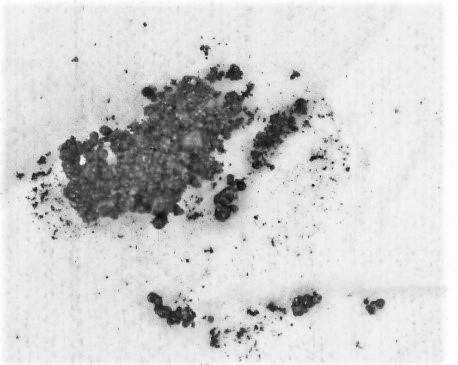
RESULTS OF THE ANALYSIS
Two different brick samples were analyzed by two burnings each. The repeatability was very good (0.068 MJ/kg and 0.045 MJ/kg). The average calorific value of brick sample 1 was 1.013 MJ/kg and for brick sample 2 both results showed an average negative result of -0.31 MJ/kg. This is most likely due to endothermic effects.
RELATED CONTENT
 Calorimeter brochure |
VIDEO

IKA calorimeters
Related Products
请联系我们