
< Back to Blog overview

Now, the focus has shifted to metabolizable energy (ME).
There is a clear separation between feed evaluation and requirement determination, meaning that ME allows for a better distinction between the energy-supplying potential of the Feedstuffs and the energy requirements of the animals. The maintenance requirements of dairy cows are estimated to be higher. Additionally, the energy utilization for milk production is higher than previously assumed, resulting in a lower energy requirement for milk production.
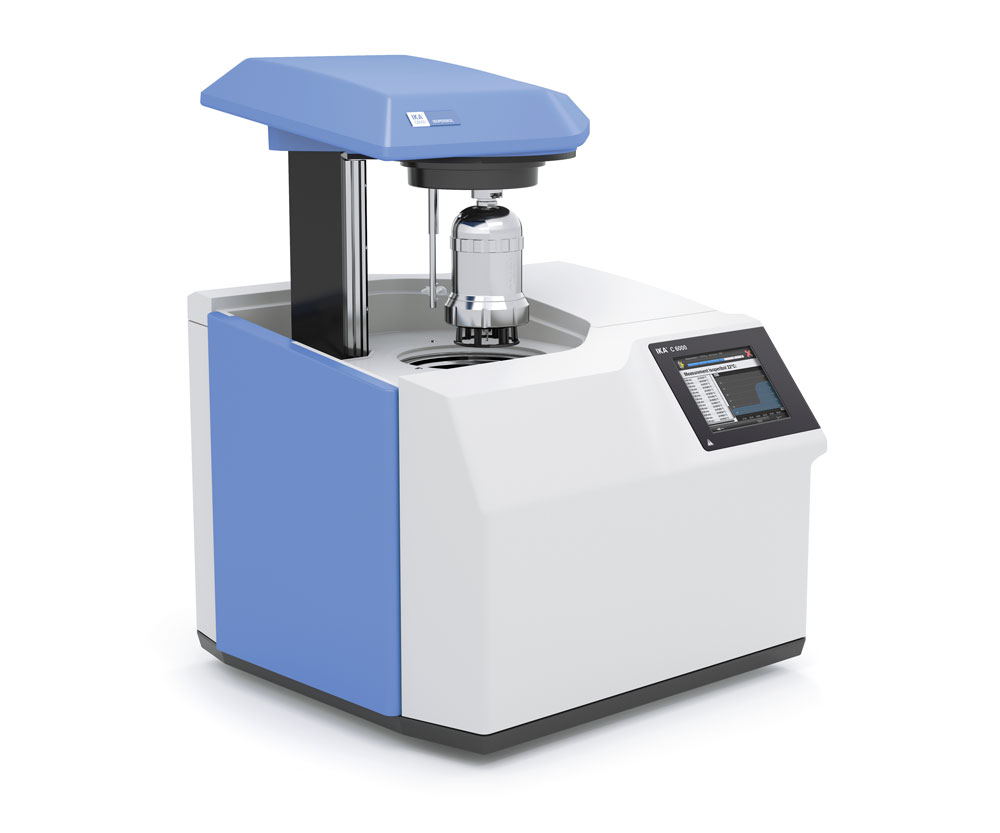
Combustion calorimetry can be used to determine the gross energy (GE) of feed. In contrast to the digestive processes in animals, the feed sample is burned in a closed pressure vessel under excess oxygen pressure (30 bar).
The gross energy determined in the calorimeter cannot be utilized by the animal in the same way. By measuring the energy in feces (FE), the digestible energy (DE) can be calculated. Subtracting the energy in urine (UE) and methane emissions (CH₄-E) yields the metabolizable energy (ME).
The energy content in feces (FE) and urine (UE) can also be determined in the lab calorimeter after appropriate sample preparation. The energy of organic matter is determined via gross energy (GE) and crude ash; the energy in urine (UE) is used to determine crude protein; and the digestibility of organic matter is calculated from the energy in feces (FE) and methane (CH₄-E).
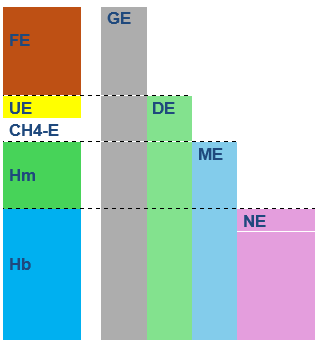
* This image shows the definition of the different energies starting from the gross energy and the required corrections to get to the next energy level.
With regard to animal products, we have also successfully participated in interlaboratory tests within the framework of ISO 9831.
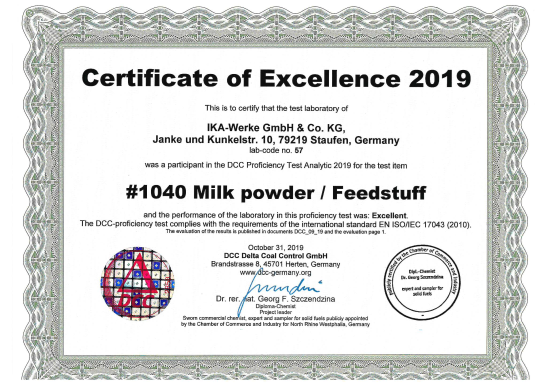
* Certificate of Excellence 2019 awarded to IKA-Werke GmbH & Co. KG for outstanding performance in the DCC Proficiency Test Analytic for milk powder and feedstuff
Calorimeters Brochure
IKA C 6000 Calibration
Related Products
Gross Calorific Value Measurement of Feedstuffs, Faeces, and Urine
This article discusses the application of advanced calorimetry techniques to measure the calorific value of feed, feces, and urine, aiming to improve the accuracy of energy efficiency assessments in livestock nutritionTransitioning Nutritional Standards: From NEL (Net Energy Lactation) and nXP (usable crude protein) to Metabolizable Energy (ME)
Until now, the Society for Nutritional Physiology (GfE) has used the factors NEL (net energy lactation) and usable crude protein (nXP) to evaluate the efficiency of feed conversion in its “Feeding Recommendations for Dairy Cows.”Now, the focus has shifted to metabolizable energy (ME).
There is a clear separation between feed evaluation and requirement determination, meaning that ME allows for a better distinction between the energy-supplying potential of the Feedstuffs and the energy requirements of the animals. The maintenance requirements of dairy cows are estimated to be higher. Additionally, the energy utilization for milk production is higher than previously assumed, resulting in a lower energy requirement for milk production.
Methodology for Calculating Metabolizable Energy (ME)
ME (Metabolizable Energy) is calculated in a three-step process, starting from the gross energy of the feedstuff. The digestibility of the organic mass is a key factor here. The more digestible a feedstuff is, the higher its energy-supplying potential. Roughage, especially that with a high digestibility of organic matter, is rated relatively higher in terms of energy.**Combustion calorimetry can be used to determine the gross energy (GE) of feed. In contrast to the digestive processes in animals, the feed sample is burned in a closed pressure vessel under excess oxygen pressure (30 bar).
The gross energy determined in the calorimeter cannot be utilized by the animal in the same way. By measuring the energy in feces (FE), the digestible energy (DE) can be calculated. Subtracting the energy in urine (UE) and methane emissions (CH₄-E) yields the metabolizable energy (ME).
The energy content in feces (FE) and urine (UE) can also be determined in the lab calorimeter after appropriate sample preparation. The energy of organic matter is determined via gross energy (GE) and crude ash; the energy in urine (UE) is used to determine crude protein; and the digestibility of organic matter is calculated from the energy in feces (FE) and methane (CH₄-E).
* This image shows the definition of the different energies starting from the gross energy and the required corrections to get to the next energy level.
Calorific Value Measurement Based on ISO 9831
In the feed sector, DIN EN ISO 9831 (“Animal feeding stuffs, animal products, and faeces or urine — Determination of gross calorific value — Bomb calorimeter method”) is applied.With regard to animal products, we have also successfully participated in interlaboratory tests within the framework of ISO 9831.
* Certificate of Excellence 2019 awarded to IKA-Werke GmbH & Co. KG for outstanding performance in the DCC Proficiency Test Analytic for milk powder and feedstuff
Solution for determining the calorific value measurement of feedstuffs, feces, and urine
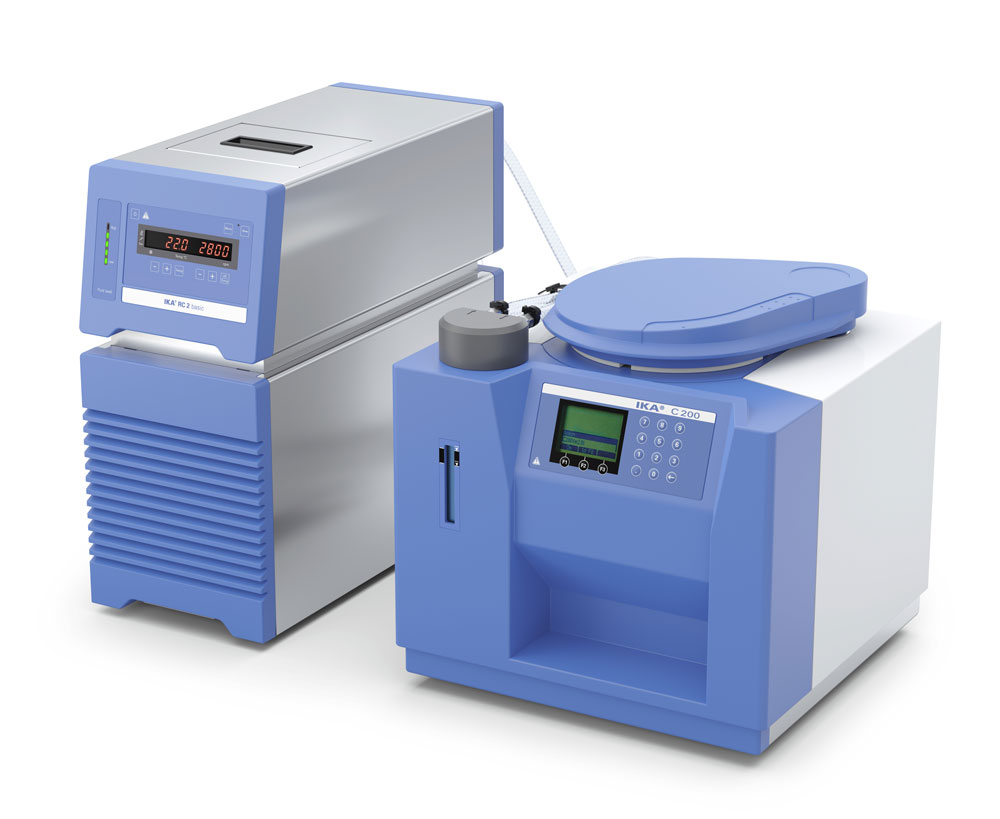
The use of acid-resistant digestion vessels is recommended in ISO 9831. The following lab calorimeter packages already include these and are therefore particularly suitable for the combustion of faeces and urine samples.- Lab Calorimeter C 200 h auto and Calorimeter Software C 6040 CalWin
- Lab Calorimeter C 6000 isoperibol 1/12
RELATED CONTENT
Calorimeters Brochure
VIDEO
IKA C 6000 Calibration
Related Products
If you have any questions or wish to receive a personal quotation, please contact our sales team
请联系我们
< Back to Blog overview请联系我们