
< Back to Blog overview
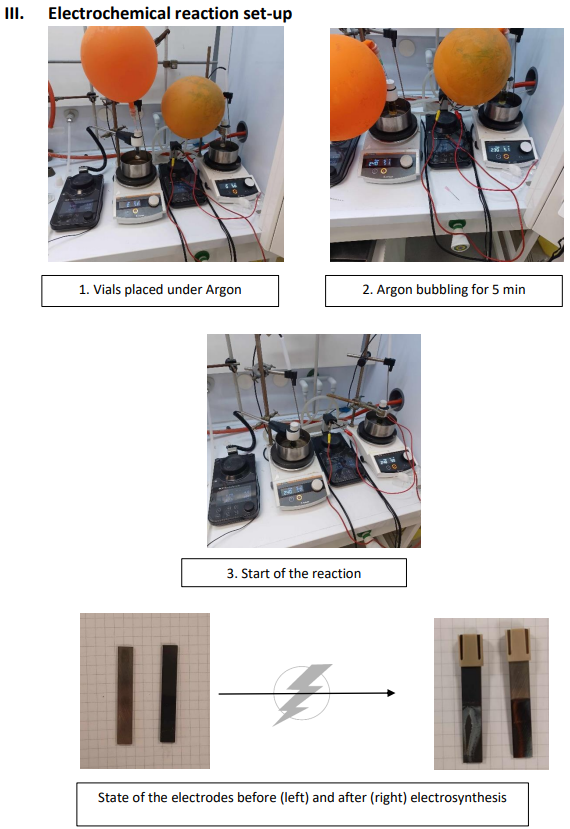
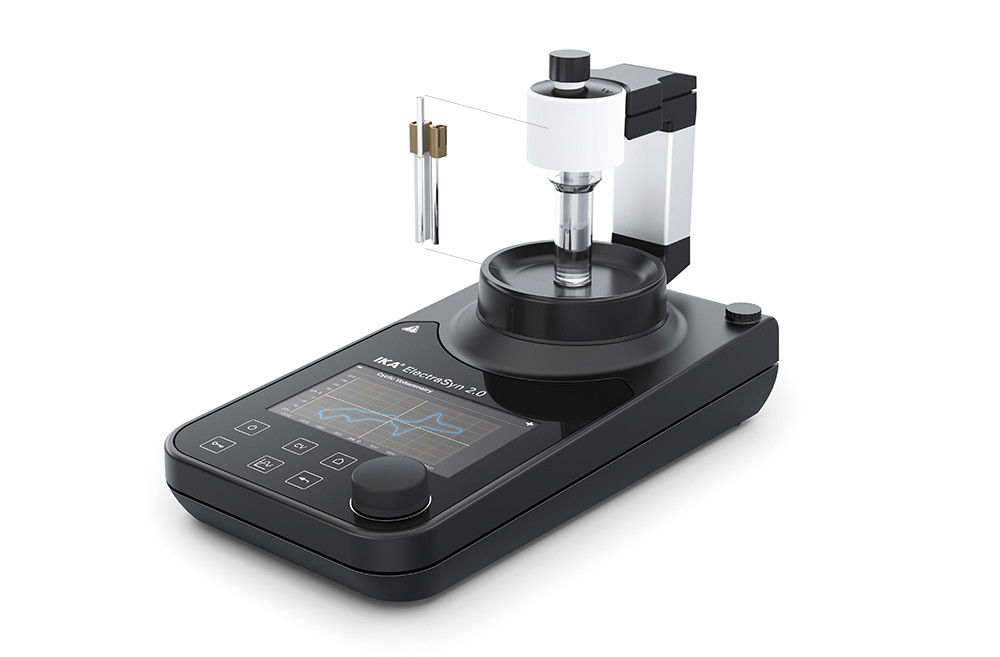
The reaction is readily performed using standard electrosynthesis equipment such as the ElectraSyn 2.0, making it accessible for both discovery-phase research and process development.
The use of undivided cells and constant current conditions simplifies the setup and enables straightforward scale-up. The absence of metals or hazardous oxidants reduces purification burdens and improves downstream processing.
γ-Lactones were obtained in good to excellent yields (up to 85%) across a diverse set of substrates, including halogenated, alkylated, and heteroaryl styrenes. This broad applicability underscores the robustness of the method.
The full potential of Electrosynthesis
ElectraSyn 2.0 - Electrochemistry Kit
Related Products
Electrochemical Synthesis of γ-Lactones from the Intermolecular Oxidative Coupling between Malonates and Styrenes
Study Overview
This study demonstrates a sustainable and efficient method for synthesizing valuable γ-lactones—key intermediates in pharmaceuticals, natural products, and fine chemicals—via electrochemical oxidative coupling between malonates and styrenes. Rather than relying on traditional stoichiometric oxidants or transition-metal catalysts, the authors employ electricity as a clean and controllable oxidizing agent, enabling a metal-free and oxidant-free transformation that aligns with green chemistry principles.Procedure
Key Highlights
- Mild Conditions: The reaction proceeds under constant current conditions using undivided cells, making it practical and scalable.
- Green Chemistry: Eliminates the need for external oxidants and toxic reagents, reducing waste and improving safety.
- Broad Substrate Scope: Both electron-rich and electron-deficient styrenes and malonates are well tolerated.
- Product Utility: The γ-lactones produced can be further modified into bioactive molecules or building blocks in drug development.
The Significance of This Study
This publication is a compelling example of how electrosynthesis can modernize oxidative coupling reactions, offering a cleaner, safer, and more selective alternative to traditional methods. It’s particularly relevant for:- Academic researchers exploring electrochemical C–C bond formation
- Industrial chemists seeking greener synthetic routes
- Process development teams focused on sustainability and scalability
Mechanistic Insight
Mechanistically, the electrochemical oxidation initiates a radical pathway where the malonate undergoes anodic activation, followed by radical addition to the styrene. Subsequent cyclization and oxidation steps lead to the formation of the γ-lactone ring. This radical-mediated process avoids the need for pre-functionalized substrates or harsh conditions.The reaction is readily performed using standard electrosynthesis equipment such as the ElectraSyn 2.0, making it accessible for both discovery-phase research and process development.
The use of undivided cells and constant current conditions simplifies the setup and enables straightforward scale-up. The absence of metals or hazardous oxidants reduces purification burdens and improves downstream processing.
γ-Lactones were obtained in good to excellent yields (up to 85%) across a diverse set of substrates, including halogenated, alkylated, and heteroaryl styrenes. This broad applicability underscores the robustness of the method.
RELATED CONTENT
The full potential of Electrosynthesis
VIDEO
ElectraSyn 2.0 - Electrochemistry Kit
Related Products



If you have any questions or wish to receive a personal quotation, please contact our sales team
请联系我们
< Back to Blog overview请联系我们