
< Back to Blog overview
The ability to perform these transformations under mild and oxidant-free conditions makes this work particularly relevant for researchers developing late-stage functionalization protocols, where functional group tolerance, sustainability, and catalytic efficiency are critical.
Additional drawbacks include:
Poor functional group tolerance, especially with sensitive electrophiles like aldehydes.
High environmental burden due to the use of heavy-metal oxidants or toxic reagents.
Limited generality, as traditional C–H activation strategies often require substrate-specific tailoring.
These limitations make it difficult to access structurally diverse and functionally rich tropone derivatives using conventional synthetic methods.
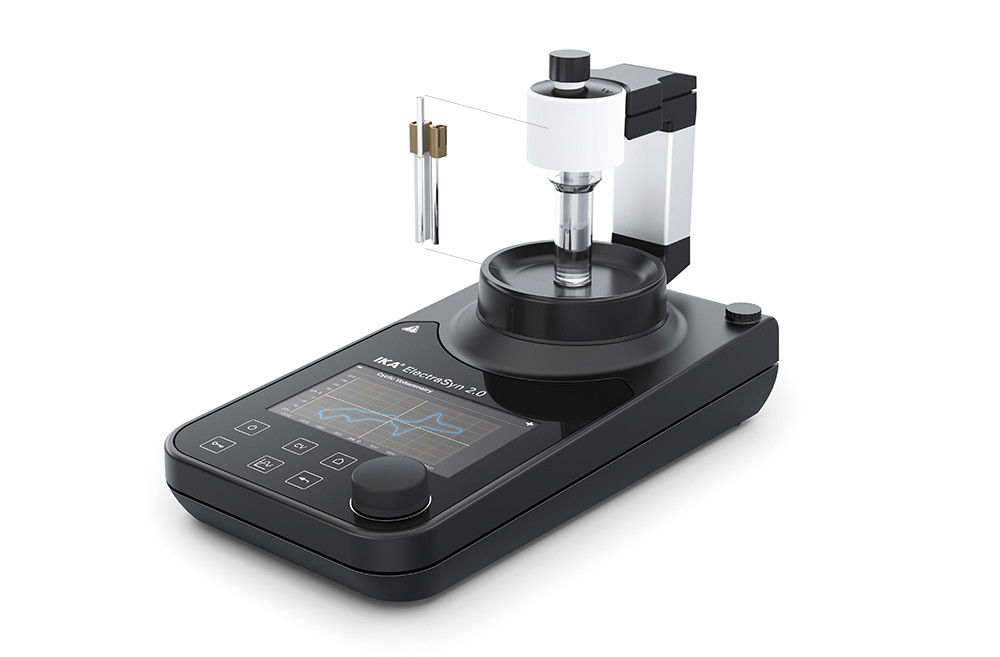
The reaction proceeds via constant current electrolysis and operates under user-friendly conditions compatible with commercial benchtop electrochemical platforms like the IKA ElectraSyn. Notably, this methodology does not require any directing group, simplifying substrate design and broadening applicability.
Key advantages include:
Mild reaction conditions, compatible with a wide variety of functional groups.
Broad substrate scope, including various aromatic aldehydes and substituted tropones.
Excellent sustainability profile, with electricity replacing toxic oxidants.
Operational simplicity, using constant current electrolysis with commercially available equipment.
Together, these features make the method highly attractive for synthetic chemists interested in green catalysis, C–H activation, and electrosynthesis.
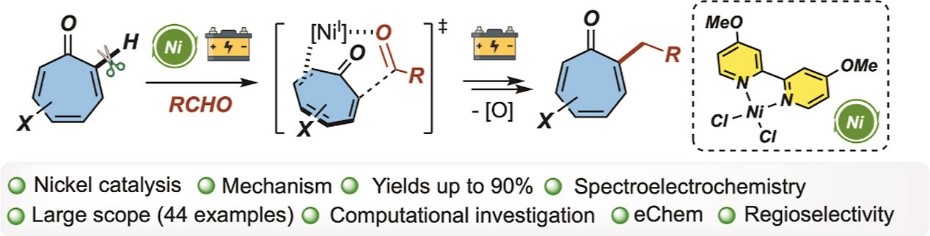
Initial development was performed using commercial electrochemical platforms such as the IKA ElectraSyn, which provided a robust and accessible setup for exploring optimal conditions. The system employed a nickel catalyst and simple supporting electrolyte under mild electrochemical conditions, enabling smooth coupling with excellent selectivity and yield. The method proved general across a wide range of electron-rich and electron-poor aldehydes, and tolerated functional groups including halides, ethers, and heterocycles.
Crucially, the transformation proceeds without the aid of directing groups—highlighting the ability of electrochemistry to unlock new reactivity patterns inaccessible under conventional catalysis.
By eliminating the need for hazardous oxidants and demonstrating a practical setup for researchers, this work underscores the value of electrosynthesis in modern method development. It reinforces the unique capability of platforms like ElectraSyn to facilitate innovative, sustainable, and catalytically efficient transformations that align with the goals of green and scalable chemistry.

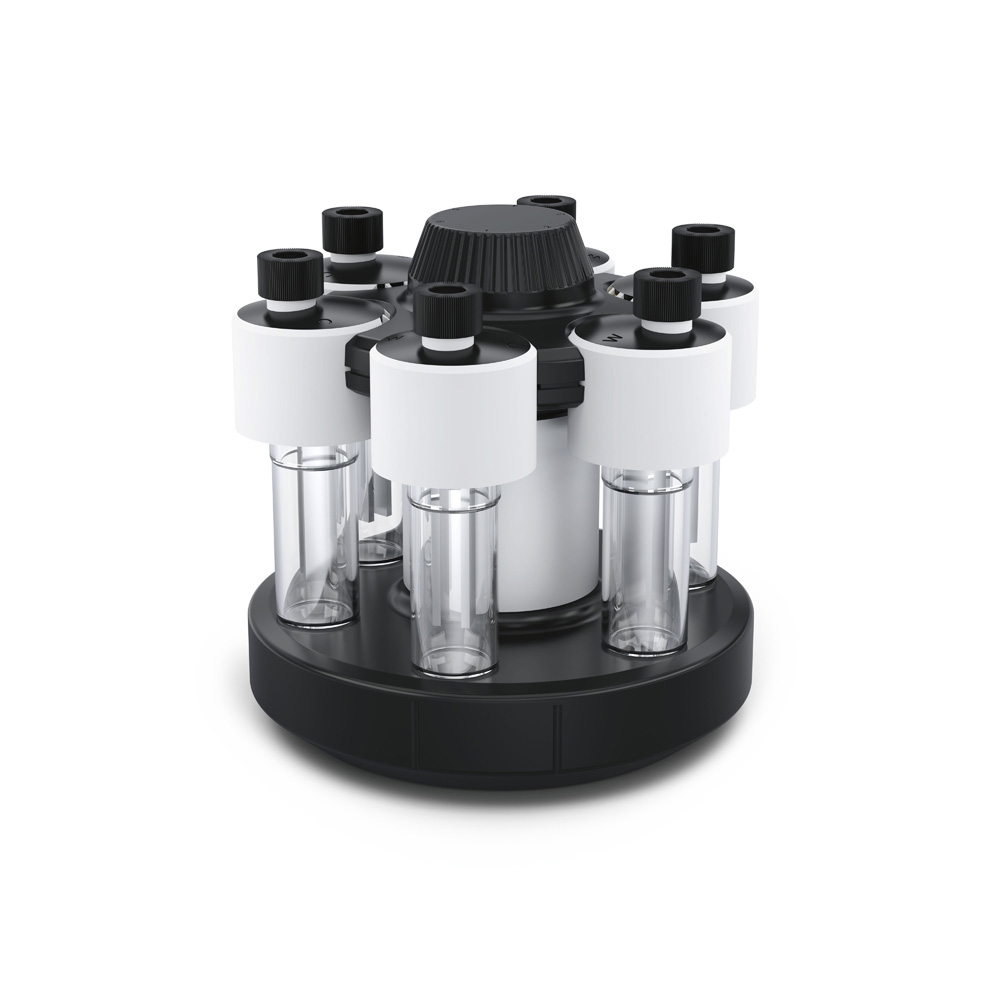
ElectraSyn 2.0 - Electrochemistry Kit
Related Products
Electrochemical Nickel-Catalyzed C(sp2)-H Functionalization of Tropones with Aldehydes
Application and Importance of the Reaction
C(sp²)–H functionalization represents a powerful strategy in organic synthesis, enabling the direct transformation of otherwise inert C–H bonds into more complex structures without the need for pre-functionalized substrates. In this study, the focus is on tropones, a class of seven-membered aromatic compounds that are synthetically valuable yet underexplored due to the challenges of site-selective modification. By coupling tropones with aromatic aldehydes, the reaction delivers hydroxyalkylated tropone derivatives—molecules that are potentially useful as building blocks in medicinal chemistry, materials science, and natural product synthesis.The ability to perform these transformations under mild and oxidant-free conditions makes this work particularly relevant for researchers developing late-stage functionalization protocols, where functional group tolerance, sustainability, and catalytic efficiency are critical.
Previous Methods and Their Challenges
Traditional methods for C–H functionalization often require stoichiometric oxidants, high temperatures, or directing groups to achieve selectivity and reactivity—factors that can limit substrate scope and functional group compatibility. In the context of tropone chemistry, selective activation at desired C–H bonds is especially challenging due to the electron-rich, delocalized aromatic system and the lack of innate directing functionality.Additional drawbacks include:
Poor functional group tolerance, especially with sensitive electrophiles like aldehydes.
High environmental burden due to the use of heavy-metal oxidants or toxic reagents.
Limited generality, as traditional C–H activation strategies often require substrate-specific tailoring.
These limitations make it difficult to access structurally diverse and functionally rich tropone derivatives using conventional synthetic methods.
Proposed Solutions
This study presents a breakthrough nickel-catalyzed electrochemical C(sp²)–H functionalization strategy that enables the direct coupling of tropones with aromatic aldehydes, forming hydroxyalkylated products under mild, oxidant-free conditions. The key innovation is the use of electricity as the terminal oxidant, eliminating the need for chemical oxidants and enabling a cleaner, more sustainable transformation.The reaction proceeds via constant current electrolysis and operates under user-friendly conditions compatible with commercial benchtop electrochemical platforms like the IKA ElectraSyn. Notably, this methodology does not require any directing group, simplifying substrate design and broadening applicability.
Key advantages include:
Mild reaction conditions, compatible with a wide variety of functional groups.
Broad substrate scope, including various aromatic aldehydes and substituted tropones.
Excellent sustainability profile, with electricity replacing toxic oxidants.
Operational simplicity, using constant current electrolysis with commercially available equipment.
Together, these features make the method highly attractive for synthetic chemists interested in green catalysis, C–H activation, and electrosynthesis.
Method Description
In this study, researchers developed an electrochemical nickel-catalyzed C(sp²)–H functionalization method that directly couples tropones with aromatic aldehydes, delivering hydroxyalkylated tropone derivatives under sustainable conditions. The reaction leverages constant current electrolysis to drive the transformation, using electricity as the sole oxidant, thereby avoiding the use of stoichiometric chemical oxidants commonly required in C–H activation chemistry.Initial development was performed using commercial electrochemical platforms such as the IKA ElectraSyn, which provided a robust and accessible setup for exploring optimal conditions. The system employed a nickel catalyst and simple supporting electrolyte under mild electrochemical conditions, enabling smooth coupling with excellent selectivity and yield. The method proved general across a wide range of electron-rich and electron-poor aldehydes, and tolerated functional groups including halides, ethers, and heterocycles.
Crucially, the transformation proceeds without the aid of directing groups—highlighting the ability of electrochemistry to unlock new reactivity patterns inaccessible under conventional catalysis.
By eliminating the need for hazardous oxidants and demonstrating a practical setup for researchers, this work underscores the value of electrosynthesis in modern method development. It reinforces the unique capability of platforms like ElectraSyn to facilitate innovative, sustainable, and catalytically efficient transformations that align with the goals of green and scalable chemistry.
RELATED CONTENT
 IKA Electrosynthesis |
 ElectraSyn 2.0 |
VIDEO
ElectraSyn 2.0 - Electrochemistry Kit
Related Products
If you have any questions or wish to receive a personal quotation, please contact our sales team
请联系我们
< Back to Blog overview请联系我们