
< Back to Blog overview

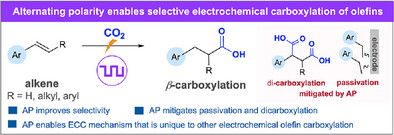
Effect of Alternating Polarity in Electrochemical Olefin Hydrocarboxylation, published by Christian A. Malapit and colleagues in Angewandte Chemie (April 2025), introduces a major advance in electrochemical functionalization. The study demonstrates how alternating polarity (AP) dramatically enhances both selectivity and efficiency in olefin hydrocarboxylation. By shifting the mechanism to a streamlined electrochemical–chemical–chemical (ECC) pathway, the team achieved high-yield conversion of styrene derivatives into valuable carboxylate products—overcoming the key limitations of traditional methods. This innovative technique reduces side reactions, boosts product purity, and opens new possibilities for scalable synthesis in pharmaceutical and chemical applications.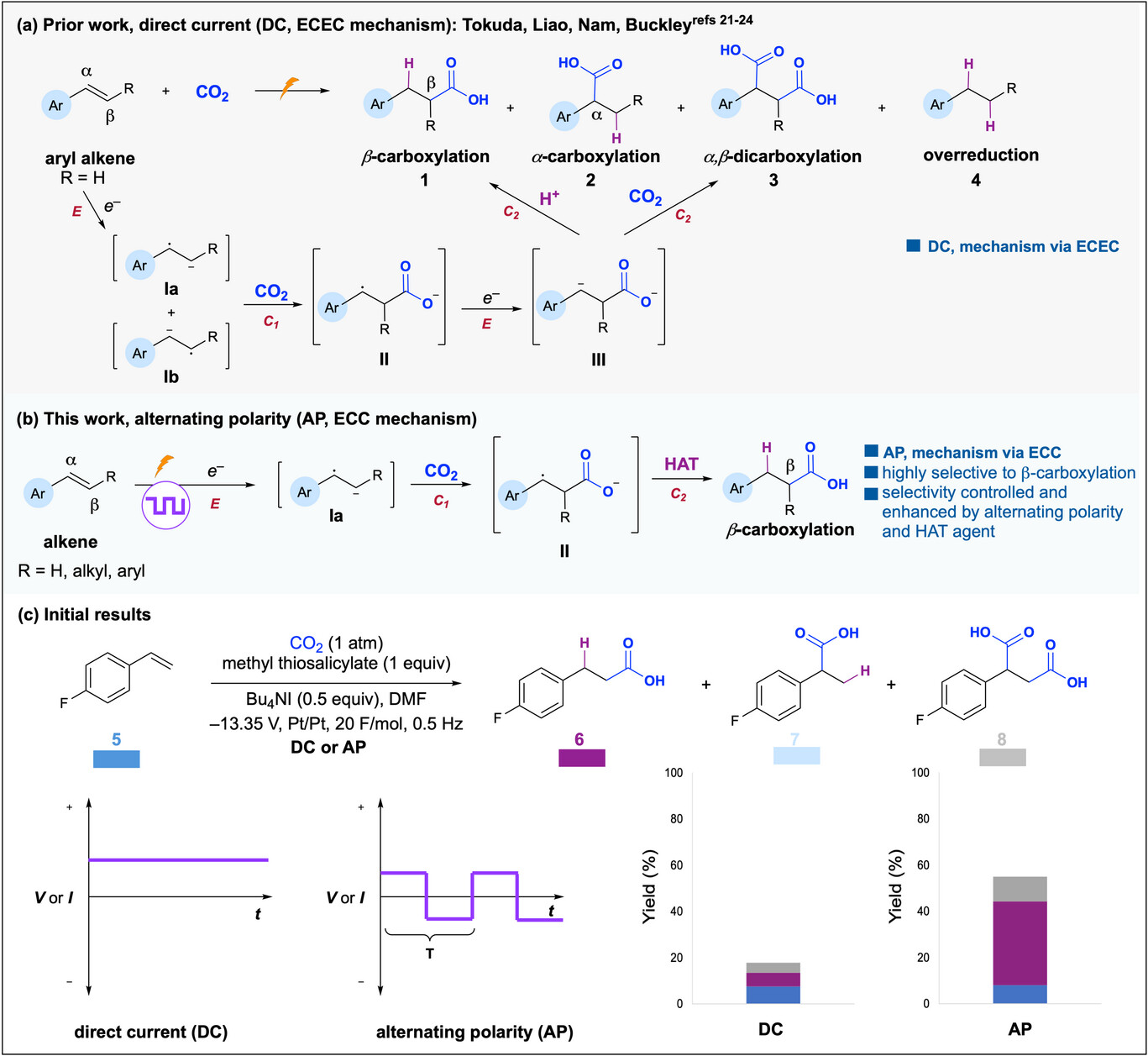
Carboxylation reactions were carried out in oven-dried 10 mL ElectraSyn vials equipped with a Teflon stir bar and thread sealing. The reaction mixture typically included 0.5 equivalents of electrolyte, 1 equivalent of sacrificial reductant, and 1 equivalent of additives (solid or liquid, as applicable), all dissolved in anhydrous DMF (10 mL). Water (0.5–20 equiv) was added when required. The alkene substrate (0.75 mmol) was introduced by micropipette, and the sealed vial was stirred briefly before CO₂ was bubbled through for at least 5 minutes.
For alternating polarity (AP) conditions, electrolysis was performed at –30 to –40 mA for 10–20 F/mol with a polarity switching frequency of 0.5 Hz. In non-AP experiments, identical setup and conditions were used, but without alternating polarity.
Reaction parameters were adjusted based on substrate properties: 20 F/mol was used for reactions including water, and 10 F/mol for those without. Higher current values (more negative than –30 mA) were applied to electron-rich substrates such as 4-methoxystyrene.
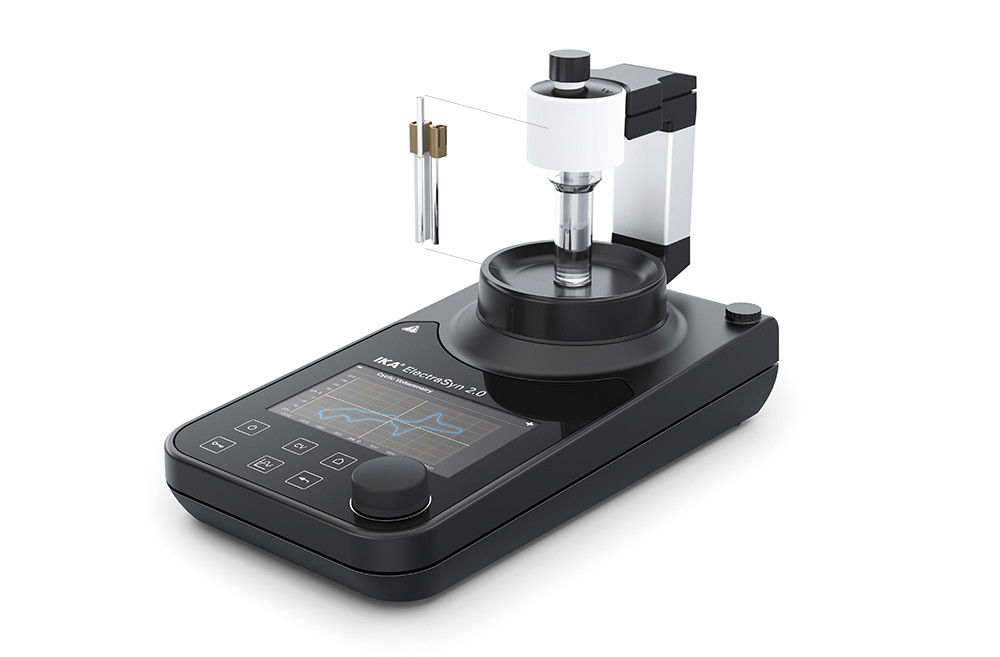
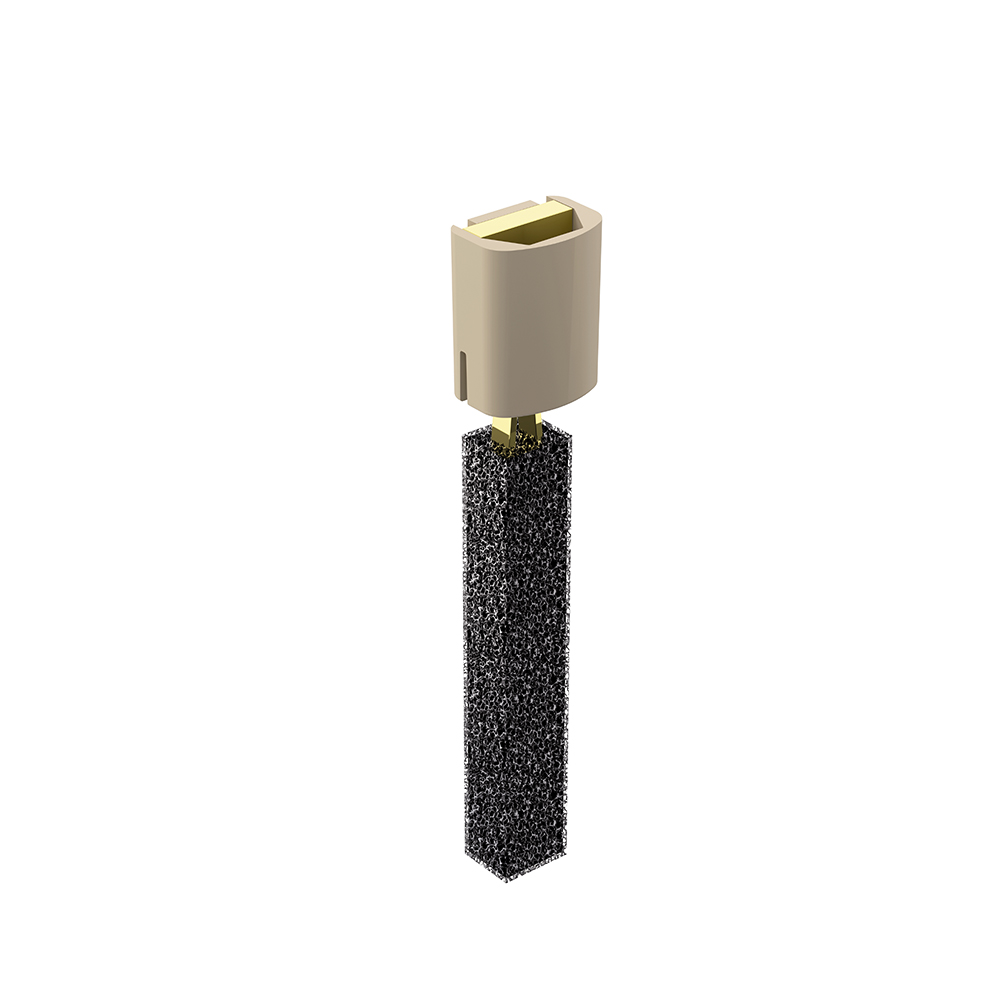
ElectraSyn 2.0 - Electrochemistry Kit
Related Products
Effect of Alternating Polarity in Electrochemical Olefin Hydrocarboxylation
Effect of Alternating Polarity in Electrochemical Olefin Hydrocarboxylation, published by Christian A. Malapit and colleagues in Angewandte Chemie (April 2025), introduces a major advance in electrochemical functionalization. The study demonstrates how alternating polarity (AP) dramatically enhances both selectivity and efficiency in olefin hydrocarboxylation. By shifting the mechanism to a streamlined electrochemical–chemical–chemical (ECC) pathway, the team achieved high-yield conversion of styrene derivatives into valuable carboxylate products—overcoming the key limitations of traditional methods. This innovative technique reduces side reactions, boosts product purity, and opens new possibilities for scalable synthesis in pharmaceutical and chemical applications.
Innovation and implications
This breakthrough underscores the transformative role of alternating polarity in modern electrosynthesis. By applying AP in a model hydrocarboxylation reaction, the researchers minimized electrode passivation and suppressed undesired reductions—unlocking a cleaner, more efficient ECC pathway. AP not only improved reaction control but also delivered superior linear-to-branched product selectivity. With its potential to be extended to unactivated olefins and other key transformations, this technique marks a new frontier in sustainable, high-precision organic synthesis.Experimental protocol: Electrochemical Carboxylation of Activated Alkenes
Carboxylation reactions were carried out in oven-dried 10 mL ElectraSyn vials equipped with a Teflon stir bar and thread sealing. The reaction mixture typically included 0.5 equivalents of electrolyte, 1 equivalent of sacrificial reductant, and 1 equivalent of additives (solid or liquid, as applicable), all dissolved in anhydrous DMF (10 mL). Water (0.5–20 equiv) was added when required. The alkene substrate (0.75 mmol) was introduced by micropipette, and the sealed vial was stirred briefly before CO₂ was bubbled through for at least 5 minutes.
For alternating polarity (AP) conditions, electrolysis was performed at –30 to –40 mA for 10–20 F/mol with a polarity switching frequency of 0.5 Hz. In non-AP experiments, identical setup and conditions were used, but without alternating polarity.
Reaction parameters were adjusted based on substrate properties: 20 F/mol was used for reactions including water, and 10 F/mol for those without. Higher current values (more negative than –30 mA) were applied to electron-rich substrates such as 4-methoxystyrene.
RELATED CONTENT
 ElectraSyn Case Studies |
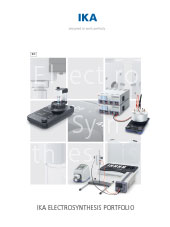 IKA Electrosynthesis |
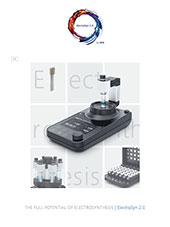 The full potential of Electrosynthesis |
VIDEO
ElectraSyn 2.0 - Electrochemistry Kit
Related Products
If you have any questions or wish to receive a personal quotation, please contact our sales team
请联系我们
< Back to Blog overview请联系我们