
< Back to Blog overview
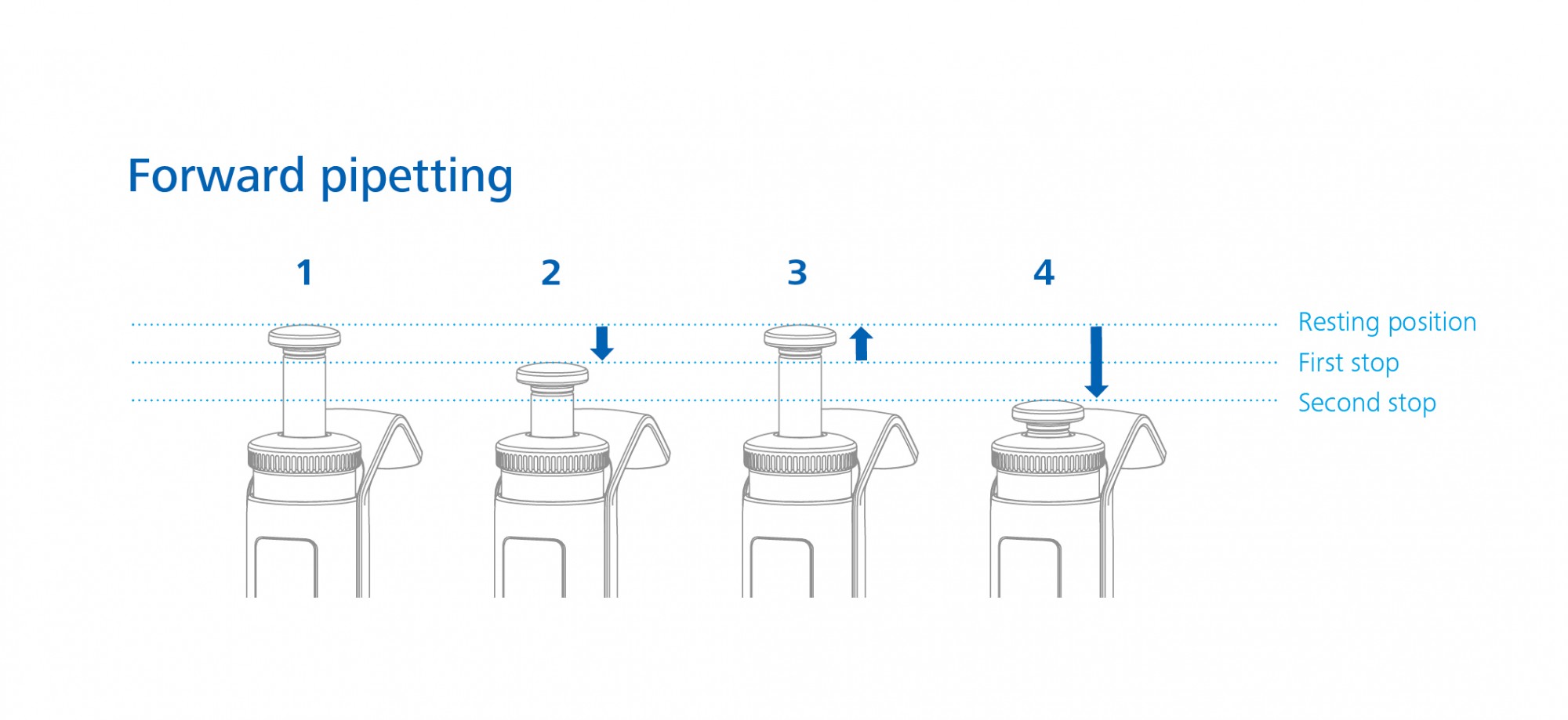
In this method, the pipetting button is only operated to the first stop during the aspiration and dispensing process. The blow-out is achieved by pressing down to the second stop at the end of the process.
This is the standard technique of pipetting taught and used in many laboratories and is the method of choice when transferring low viscosity liquids, such as aqueous-based solutions and provides the best accuracy for such type of samples due to its precise control of the volume being transferred.
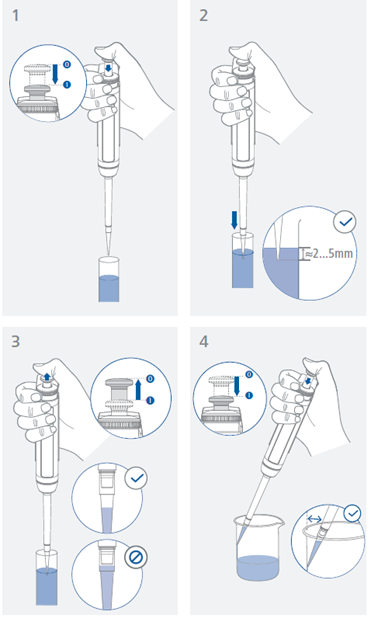
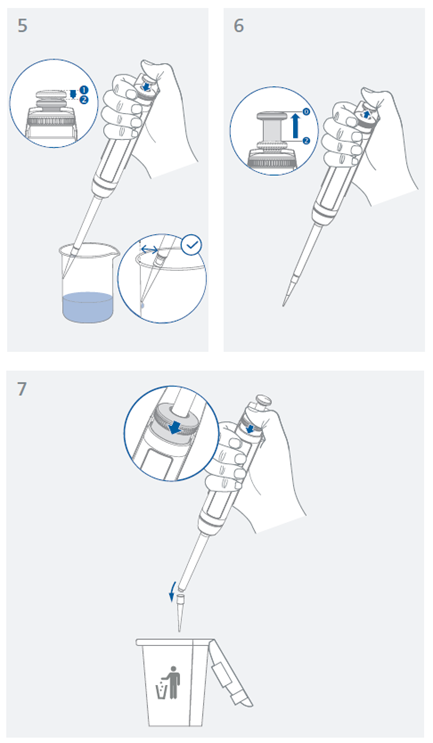
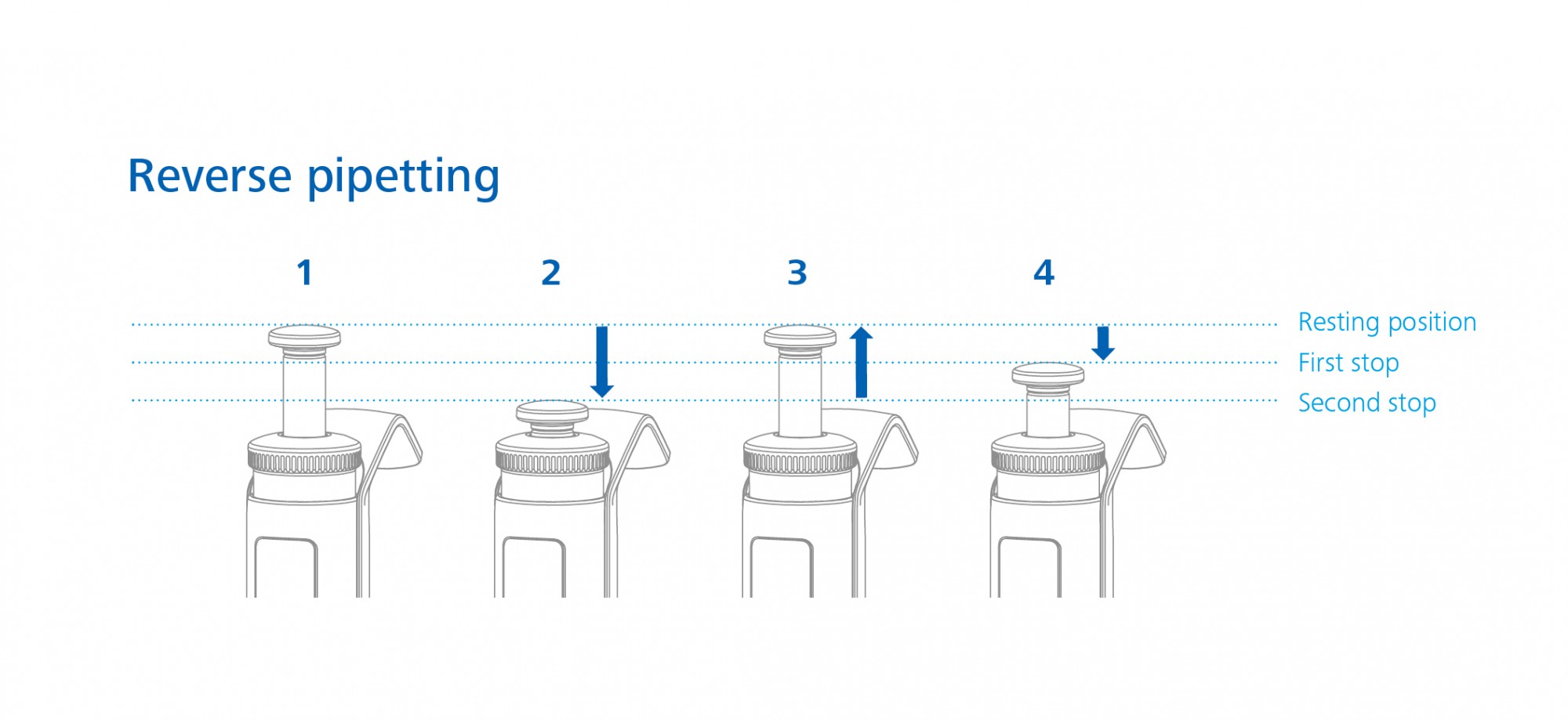
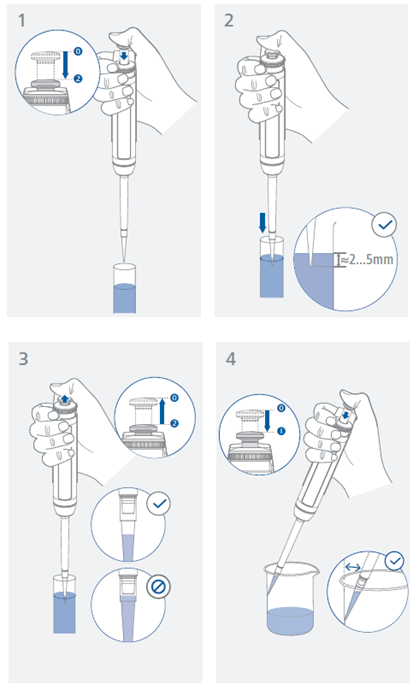
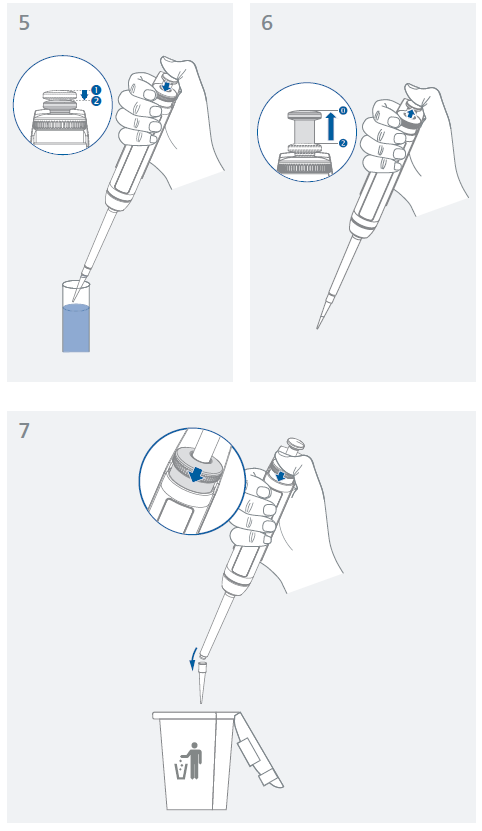
Reverse pipetting involves aspirating an excess amount of liquid into the tip by pressing down to the second stop in order to aspirate the sample. To dispense the sample, press down only to the first stop and the excess amount of volume is left in the pipette tip. This excess volume can be discarded or returned to the vessel container.
This technique is recommended from pipetting liquids which have a “high” viscosity such as thicker gels and larger volumes of liquid (e.g. 5ml) as it avoids the formation of air bubbles and provides higher transfer efficiencies for samples which are prone to foaming.
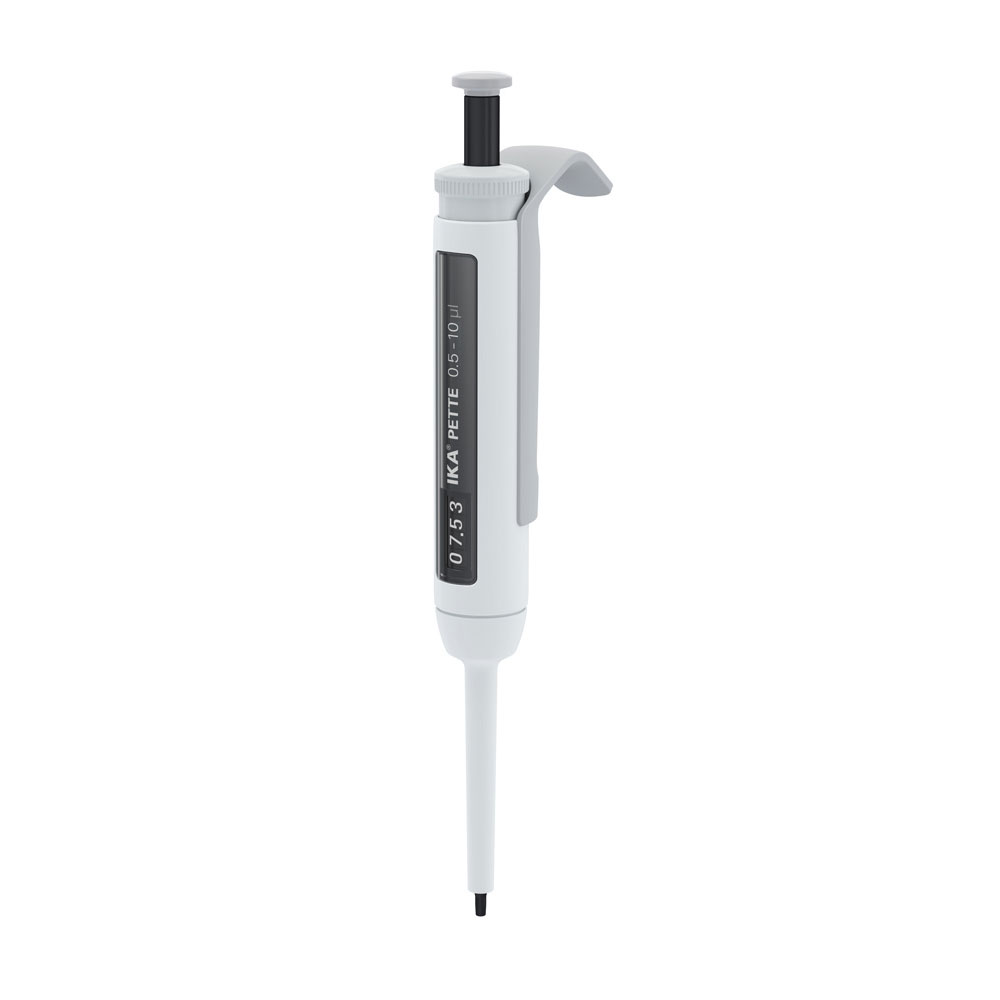
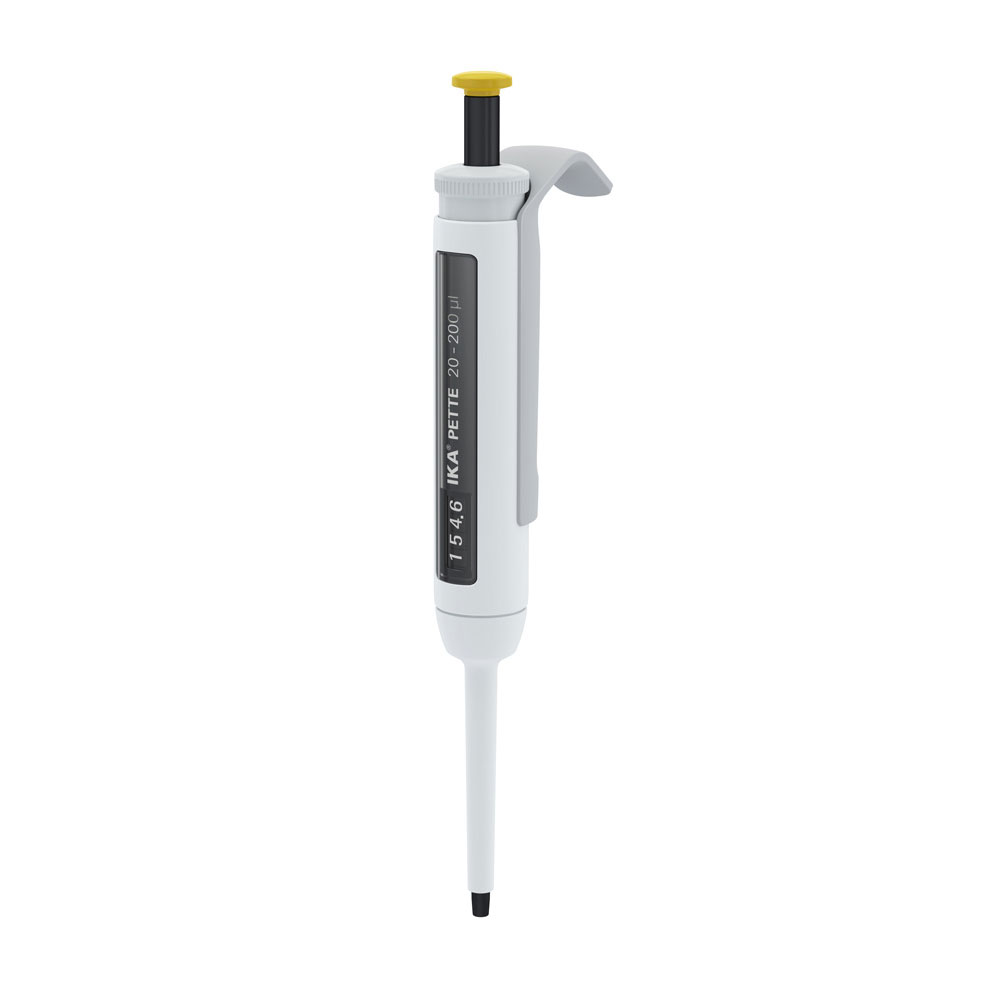
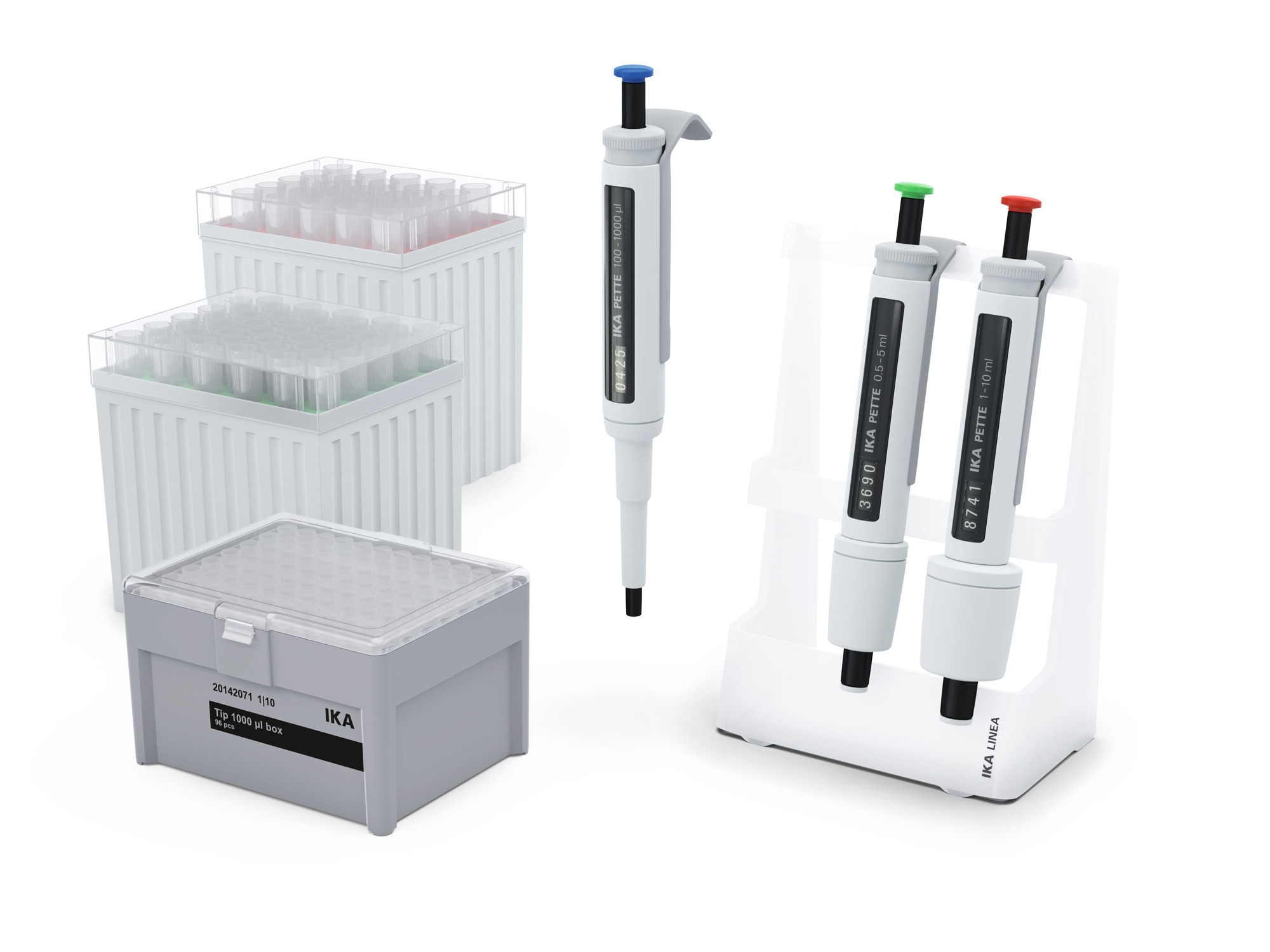
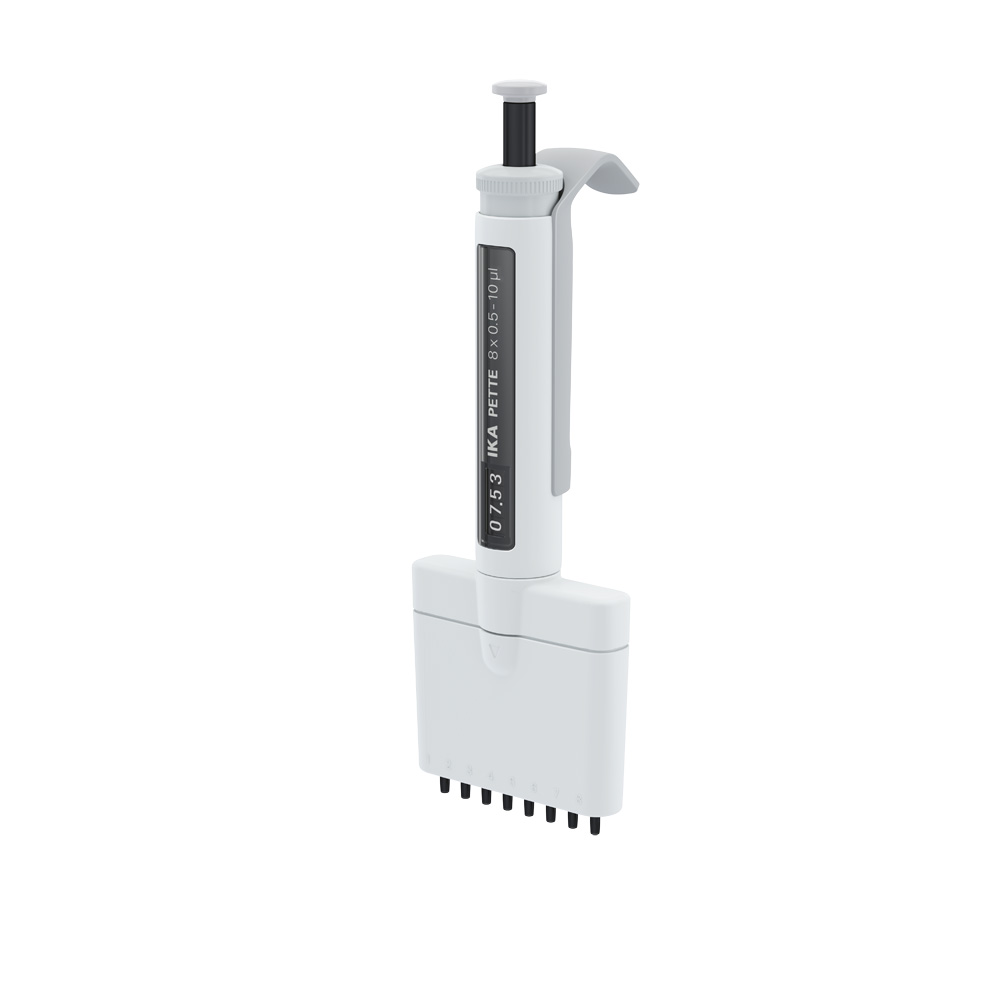
Discover all IKA PETTE models here.
IKA Pipettes
IKA PETTE
Related Products
Correct Pipetting Techniques for Different Sample Types
RECOMMENDED PIPETTING PRACTICE FOR A VARIETY OF SAMPLE TYPES
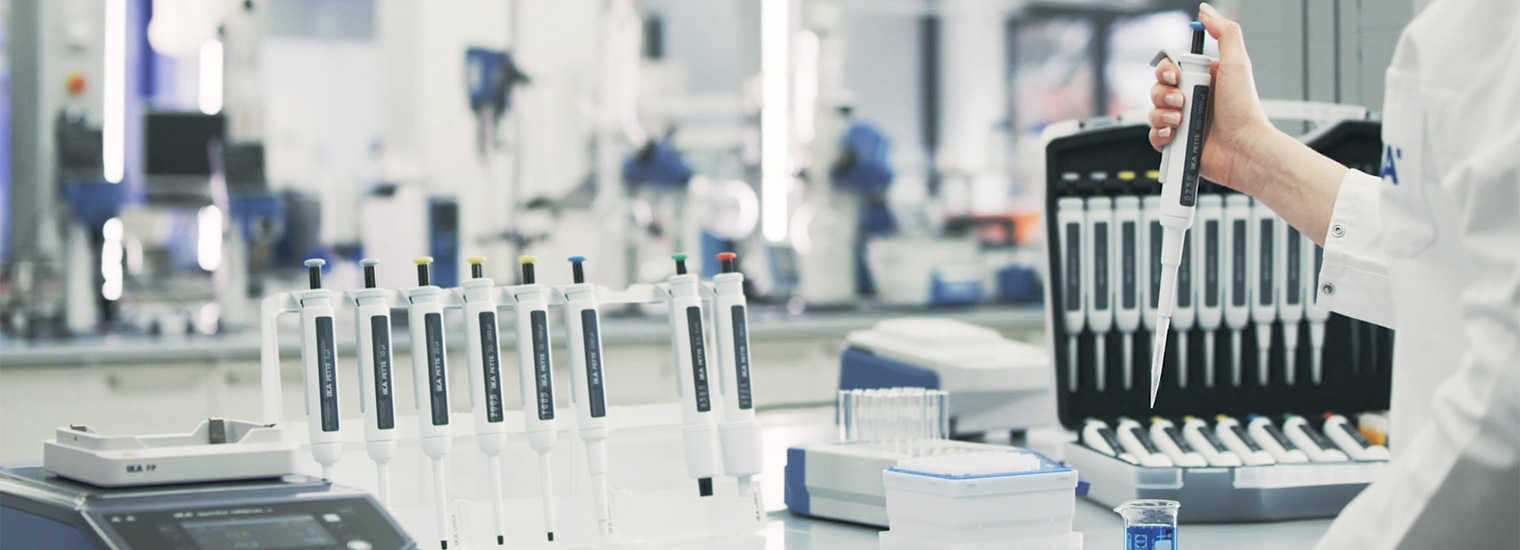
Pipettes are a staple in any laboratory dealing with low volumes of liquids, typically 1ml and less. Common solvents pipetted in a laboratory include acids, bases, buffers, nucleotide solutions, blood samples and many more. Each type of solution has their own inherent characteristics which influence the outcome of the pipetting process. If not processed correctly, this could lead to pipetting inaccuracies that would have a detrimental effect on any subsequent process in the workflow.TYPES OF PIPETTING TECHNIQUES
The pipetting button used to aspirate and dispense samples comprises of two stop positions, the first stop and the second stop. Depending on the set volume to aspirate, a differing amount of force is required to aspirate and dispense the liquid sample and this force varies from brand to brand of different pipette manufacturers.FORWARD PIPETTING
This technique involves aspirating a set amount of liquid into a pipette tip and releasing into a receiving vessel. A separate blow-out step is performed at the end of the pipetting process to dispense any excess sample left in the pipette tip.In this method, the pipetting button is only operated to the first stop during the aspiration and dispensing process. The blow-out is achieved by pressing down to the second stop at the end of the process.
This is the standard technique of pipetting taught and used in many laboratories and is the method of choice when transferring low viscosity liquids, such as aqueous-based solutions and provides the best accuracy for such type of samples due to its precise control of the volume being transferred.
REVERSE PIPETTING
Reverse pipetting involves aspirating an excess amount of liquid into the tip by pressing down to the second stop in order to aspirate the sample. To dispense the sample, press down only to the first stop and the excess amount of volume is left in the pipette tip. This excess volume can be discarded or returned to the vessel container. This technique is recommended from pipetting liquids which have a “high” viscosity such as thicker gels and larger volumes of liquid (e.g. 5ml) as it avoids the formation of air bubbles and provides higher transfer efficiencies for samples which are prone to foaming.
RECOMMENDED TECHNIQUE FOR PIPETTING SOME COMMON SOLVENTS
| Solution | Technique |
| Water-based solutions e.g. buffer solutions | Forward pipetting |
| Viscous solutions e.g. glycerol | Reverse pipetting with special wide bore tips *Tip: pipette slowly |
| Volatile compounds | Pre-wetting 3 times prior to starting *Tip: pipette quickly to reduce evaporation |
|
Foaming solutions e.g. blood serums and protein |
Forward pipetting |
| Nucleotide solutions | Forward pipetting with filtered pipette tips |
| Radioactive compounds | Forward pipetting with filtered pipette tips |
| Acids and bases | Forward pipetting with filtered pipette tips |
CONCLUSION
Different types of samples require different methods of pipetting in order to ensure optimal pipetting results. Forward pipetting is the more common technique used as opposed to reverse pipetting due to its more broad scope of use. However, although forward pipetting provides higher accuracy particularly for low volume, low viscosity samples, reverse pipetting has their advantages in being better in processing higher viscosity and higher volume samples. Knowing the difference between the two methods and understanding when each technique needs to be applied is a key in improving pipetting accuracies.Discover all IKA PETTE models here.
RELATED CONTENT
IKA Pipettes
VIDEO
IKA PETTE
Related Products
If you have any questions or wish to receive a personal quotation, please contact our sales team
请联系我们
< Back to Blog overview请联系我们