
Bioreactor Applications in Cell Culture and Fermentation
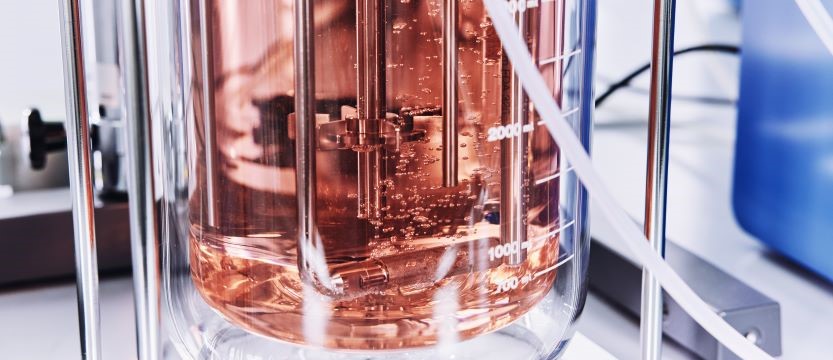
In the realm of modern biotechnology, bioreactors play a crucial role, enabling the controlled cultivation of cells and microorganisms for a wide range of applications. Equipped with automated features and advanced sensors, bioreactors create an environment that allows precise control over key growth parameters such as temperature, pH, dissolved oxygen, and nutrient levels. These features enhance efficiency, consistency, and yield of biological products, making bioreactors fundamental to research, development, and production processes across scientific disciplines.
In our previous article we provided a general overview of bioreactors and how to choose one for your research needs. In this one we will dive a bit deeper into the specific applications of bioreactors, especially within the context of cell culture and microbial fermentation, showing how they contribute to significant advancements in biotechnology.
BIOREACTORS IN CELL CULTURE AND FERMENTATIONBioreactors can be broadly categorized based on the types of organisms they are designed to cultivate: mammalian or insect cells, and microorganisms like bacteria, yeast, or fungi. Though both processes involve the growth of living cells, there are clear distinctions how they are managed: |
KEY APPLICATIONS OF BIOREACTORS IN RESEARCH BIOPROCESSING
Across both cell culture and fermentation processes, bioreactors play a critical role in enabling diverse applications. Below, we break down these applications into two primary categories, offering a closer look at how bioreactors enhance these biological processes.1. Cell culture applications in bioreactors
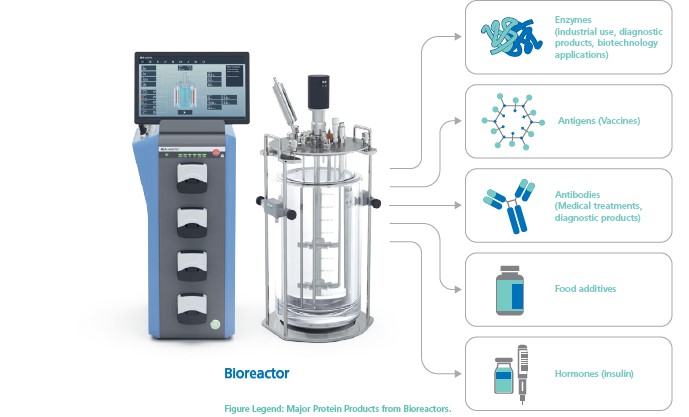
Cell culture in bioreactors encompasses the growth and maintenance of mammalian, animal, or insect cells for a variety of purposes. These applications are critical in research, therapeutic developments, and industrial production:
- Proteins: One of the most significant applications of bioreactors in cell culture is the production of recombinant proteins. Synthesized by genetically engineered cells or microorganisms, they are essential in medical research and therapeutic products. Certain complex proteins require mammalian cells, like CHO (Chinese Hamster Ovary) cells, to ensure proper folding and modifications. In other cases, simpler proteins can be produced using microbial systems. For example:
| Monoclonal antibodies: Essential for treating diseases like cancer and autoimmune disorders, monoclonal antibodies are produced in large volumes using bioreactors. This process ensures that the antibodies are of high purity and consistent quality, which is crucial for patient safety and therapeutic efficacy. Therapeutic proteins: Drugs like erythropoietin (used in anemia treatment) are typically produced in mammalian cell bioreactors. However, simpler proteins like insulin for diabetes management are often produced using recombinant DNA technology in microbial systems, such as E. coli. Both processes require strict regulation to meet the standards set by health authorities. Enzymes: While most industrial enzymes are produced via microbial fermentation, certain specialized enzymes may be cultivated in cell culture bioreactors for specific research or diagnostic applications. These enzymes serve various purposes, including those in diagnostic kits and industrial applications like breaking down starches into sugars as well as for research purposes. |
- Cell production for research and therapeutic use: Bioreactors are widely employed for the expansion and cultivation of various cell lines, which hold promise in:
| Stem cells: Stem cells grown in bioreactors are used to develop tissues or even organs, offering groundbreaking possibilities in treating injuries, degenerative diseases, or even organ failure. For example, researchers are working on culturing cardiac cells to treat heart conditions or neuronal cells to combat neurodegenerative diseases like Parkinson’s or Alzheimer’s. Gene therapy: Bioreactors also support the scalable production of cells that have been genetically modified, providing targeted treatments for conditions that are otherwise difficult to manage, such as certain forms of leukemia or inherited genetic disorders. Cell therapy: The ability to grow and expand patient-specific cells, such as immune or cancer cells, allows researchers to test treatments in vitro before administering them to the patient, enhancing treatment success and minimizing adverse effects by tailoring therapies to individual patient. |
- Virus production and vaccines: Another major application of cell culture in bioreactors is the production of viral vectors, which are used for gene therapy and vaccines. In addition to adenovirus, other viral vectors such as lentivirus (LV) and herpesvirus are commonly produced in bioreactors, supporting a wide range of therapeutic applications. The COVID-19 pandemic highlighted the importance of bioreactors in vaccine production.
| Adenovirus-based vaccines: Relied heavily on bioreactors to cultivate the viral vectors needed for large-scale vaccine production. mRNA-based vaccines: Required large quantities of viral vectors, produced efficiently through bioreactor technology, to deliver their genetic material effectively. |
- Cultivated meat: Bioreactors are also pivotal in the production of cultivated meat, which involves growing animal cells in a controlled environment to produce meat without the need for traditional livestock farming. This technology offers a sustainable and ethical alternative to conventional meat production, addressing concerns related to animal welfare, environmental impact, and food security. Cultivated meat production requires bioreactors to provide the necessary conditions for cell growth and appropriate mechanical stimuli to develop the texture and structure of meat.
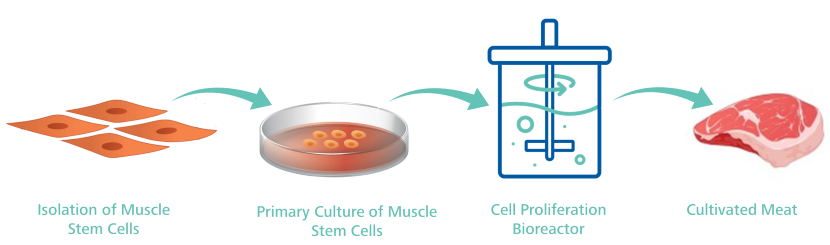
In our one of our previously published articles we discussed the critical design elements of bioreactors for cell culture. To ensure optimal growth and function, these bioreactors must replicate the natural environment of mammalian cells. This involves maintaining physiological temperatures and pH, as well as providing a controlled supply of oxygen and nutrients, and gentle mixing to avoid damage to sensitive cells.
2. Microbial fermentation applications in bioreactors
Microbial fermentation in bioreactors supports a wide range of applications, from the production of enzymes and proteins to biofuels and specialty chemicals. The main applications include:
- Production of enzymes and proteins: Microorganisms such as bacteria and yeast are cultivated in bioreactors to produce enzymes and proteins that serve various industries, including:
| Industrial enzymes: The food and beverage industry relies on enzymes produced via fermentation in bioreactors. For instance, enzymes like amylases and proteases are produced in large quantities for use in baking, brewing, and dairy production. Similarly, enzymes used in biofuel production help break down plant materials for more efficient fuel conversion. Recombinant proteins: One of the earliest successes of bioreactor-based fermentation was the production of insulin using recombinant DNA technology and heterologous protein expression in bacteria. This method revolutionized diabetes care, ensuring that patients worldwide have access to safe, effective insulin. Detergent and textile enzymes: Enzymes produced in microbial bioreactors are used in the detergent industry to break down stains and in textiles for fabric softening and treating fibers. |
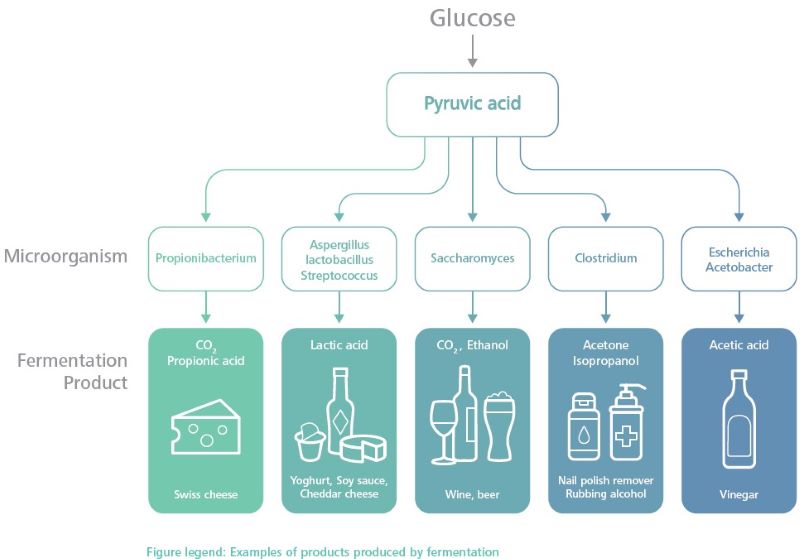
- Metabolite and chemical production: Microbial fermentation is leveraged for the production of metabolites, such as:
| Organic acids: Used in food preservation and pharmaceuticals, organic acids such as citric acid or lactic acid are produced using microbial fermentation. Citric acid, for instance, is a widely used food additive and preservative, and its large-scale production relies on fermentation bioreactors. Alcohol: Ethanol, a key biofuel and ingredient in alcoholic beverages, is produced through fermentation. Bioreactors ensure that the fermentation process is consistent, scalable, and efficient, supporting industries ranging from bioenergy to brewing. Amino acids: Essential for animal feed and pharmaceuticals, amino acids such as glutamate and lysine are produced via microbial fermentation. These amino acids are used in everything from flavor enhancers (e.g., MSG) to supplements for livestock. |
- Biofuel production: Bioreactors are vital in advancing sustainable energy production, particularly through the cultivation of microbes that can produce biofuels. For example:
| Biofuels from algae: Algae are capable of producing large amounts of lipids, which can be converted into biofuels. This is an area of significant interest in reducing reliance on fossil fuels, as algae can grow in bioreactors at a large scale, with minimal environmental impact. Cellulosic ethanol: Bioreactors that ferment plant materials (such as corn stover or switchgrass) are central to producing cellulosic ethanol, a renewable biofuel. These fermentation processes allow for the conversion of inedible plant materials into fuel, addressing food security concerns while promoting energy sustainability. |
- Microbial ecology and metabolic pathways: Bioreactors are increasingly used to study microbial ecosystems and metabolic functions, advancing our understanding on how microorganisms interact under specific conditions. This contributes to:
| Antibiotics: The development of new antibiotics often involves studying the metabolic pathways of bacteria or fungi in controlled bioreactor environments. These conditions allow researchers to identify potential new compounds for use in medical treatments. Environmental and industrial microbiology: Bioreactors are used to study microbial communities involved in processes such as bioremediation, where microorganisms break down environmental pollutants. For instance, bacteria capable of degrading hydrocarbons are cultivated in bioreactors to clean up oil spills. |
- Alternative protein: Fermentation bioreactors are also used for the production of alternative proteins, such as meat substitutes derived from fungi, yeast, and other microorganisms. This application is gaining traction as a sustainable and ethical solution to meet the growing demand for protein. Products like mycoprotein (derived from fungi) and yeast-based proteins are developed in bioreactors, offering a viable alternative to traditional animal-based proteins.
OPTIMIZING GROWTH CONDITIONS
Now that we've explored the diverse applications of bioreactors in cell culture and microbial fermentation, it’s important to understand why bioreactors are so effective in these processes. A key reason is their ability to provide highly controlled environments that are tailored to the specific needs of the cells or microorganisms being cultured. Bioreactors offer precise control over the conditions critical for cell growth and productivity, such as:- Temperature control: Both cell culture and fermentation processes are highly sensitive to temperature. Bioreactors are equipped with temperature regulation systems that maintain optimal growth conditions, ensuring that cells or microorganisms thrive. Even slight temperature deviations can impact cell viability and metabolic activity.
- pH and oxygen regulation: The pH and dissolved oxygen levels within a bioreactor are continuously monitored and adjusted to meet the specific needs of the culture. Mammalian cells typically require a slightly alkaline pH and controlled oxygen levels, while microorganisms often have varied pH and oxygen demands depending on species and metabolic activity.
- Nutrient supply and waste removal: Bioreactors are designed to provide a continuous supply of essential nutrients (e.g., glucose, amino acids) while efficiently removing waste products that can inhibit cell growth. Maintaining this balance is essential to maximize productivity and ensure the long-term health of the culture.
ADVANTAGES OF USING BIOREACTORS IN RESEARCH AND DEVELOPMENT
By now, it’s clear that the precise control of environmental conditions within bioreactors offers significant advantages. Whether for cell culture or fermentation, the following benefits make bioreactors invaluable in research and development settings:- Enhanced control and reproducibility: The ability to tightly control environmental conditions ensures that experiments are highly reproducible, resulting in consistent data and product quality. This level of control is particularly crucial in research and development, where even small variations can impact outcomes.
- Increased efficiency and yield: Bioreactors are designed to maximize culture growth and productivity. This allows for efficient production of cells, proteins, enzymes, and other target products. The controlled environment facilitates optimal nutrient supply, growth conditions, and product harvesting, resulting in significantly higher yields compared to traditional methods.
- Versatility in applications: Bioreactors can be used for a wide variety of purposes, from basic research to complex industrial processes. This versatility allows researchers to explore multiple experimental setups and production methods, making bioreactors a valuable tool in both academic and commercial research.
CONCLUSIONIn conclusion, bioreactors are pivotal tools to advance biotechnology by facilitating a wide range of applications in cell culture and fermentation. Their ability to maintain highly controlled environments is key to optimizing the growth and productivity of cells and microorganisms, ensuring the efficient production of biological materials for research and development.When selecting a research bioreactor, it’s crucial to consider the specific needs of the culture—whether working with mammalian cells or microorganisms—and to ensure that the system offers the necessary level of control and flexibility for the intended application. Clearly, thoughtful selection of a bioreactor maximizes research outcomes and supports scalable production of high-quality biological products. IKA’s bioprocessing solutions are designed to meet the diverse needs of the scientific community. We invite you to schedule a call with us to explore how our bioreactors can support your research, help you achieve your scientific goals and support you on your scientific journey. |
Related Products
请联系我们