
< Back to Blog overview

Genetic seed analysis is the study of plant genetics at the seed level, focusing on genomic variations, trait inheritance, and seed quality. This scientific approach helps in understanding how genetic factors influence seed traits such as protein content, disease resistance, and yield potential. Techniques like Genome-Wide Association Studies (GWAS), transcriptomic profiling, and marker-assisted selection (MAS) are widely used to improve plant breeding and agricultural productivity.
Genetic seed analysis has far-reaching applications across multiple industries:
1. Genotype-Environment Interactions:
Environmental factors influence gene expression, making it difficult to stabilize desired traits across different climates.
2. Complex Genetic Architecture:
Traits like seed protein content and micronutrient accumulation are controlled by multiple genes, making genetic modifications complex.
3. Data Management & Computational Complexity:
GWAS and transcriptomics generate massive datasets that require advanced computational tools for accurate interpretation (Wu et al., 2022).
4. Regulatory & Ethical Concerns:
The use of genetically modified seeds faces regulatory hurdles and public skepticism, particularly in biofortification initiatives.
The future of genetic seed analysis lies in integrating multi-omics approaches and leveraging AI-driven analytics for faster and more precise breeding programs. Key advancements include:
1. Consistent & Fine Grinding:
Ensures uniform seed powder for accurate DNA extraction and protein content analysis.
2. Prevention of Cross-Contamination:
Disposable grinding chambers prevent sample carryover, ensuring reliable genetic and biochemical testing.
3. Adaptability for High-Throughput Research:
Essential for large-scale seed testing in crop breeding programs and molecular biology labs.

Explore how IKA milling solutions can enhance your genetic seed analysis. Contact us today for expert guidance and cutting-edge laboratory tools tailored for modern seed research.
- GWAS in a Collection of Bulgarian Old and Modern Bread Wheat Accessions Uncovers Novel Genomic Loci for Grain Protein Content and Thousand Kernel Weight.
- Nutritional Genomic Approach for Improving Grain Protein Content in Wheat.
- Constitutive Overexpression of a Nicotianamine Synthase Gene in Bread Wheat and In Vivo Assessment of Iron and Zinc Bioavailability.
- Combining GWAS and TWAS to identify candidate causal genes for tocochromanol levels in maize grain | Genetics | Oxford Academic
RELATED CONTENT

Tube Mill control
Related Products
Advancements in Genetic Seed Analysis
Genetic seed analysis is the study of plant genetics at the seed level, focusing on genomic variations, trait inheritance, and seed quality. This scientific approach helps in understanding how genetic factors influence seed traits such as protein content, disease resistance, and yield potential. Techniques like Genome-Wide Association Studies (GWAS), transcriptomic profiling, and marker-assisted selection (MAS) are widely used to improve plant breeding and agricultural productivity.
Key Methods of Genetic Seed Analysis
Several advanced methods are utilized in genetic seed analysis to uncover valuable genetic markers and improve crop varieties:| 1. Genome-Wide Association Studies (GWAS): - GWAS identifies genetic loci responsible for key seed traits. For example, in wheat, GWAS has been used to pinpoint genes that enhance grain protein content and micronutrient levels. - In maize, a combination of GWAS and Transcriptome-Wide Association Studies (TWAS) was employed to identify genes affecting vitamin E (tocochromanol) levels. 2. Marker-Assisted Selection (MAS): - Genetic markers linked to desirable traits (e.g., protein content, resistance genes) help breeders select superior seeds more efficiently (Kartseva et al., 2023). 3. Transcriptomic and Functional Genomic Studies: - These techniques assess gene expression in developing seeds to identify regulatory genes that influence key agronomic traits like nutrient uptake and protein synthesis (Tako et al., 2024). 4. Nutritional Genomics: - This method examines how genetic factors influence the nutritional composition of seeds, focusing on iron, zinc, and protein content biofortification. |
Importance of Genetic Seed Analysis in Different Industries
Genetic seed analysis has far-reaching applications across multiple industries:| Agriculture & Crop Improvement: - Helps develop high-yield, drought-resistant, and nutrient-rich seed varieties. - Used in wheat breeding programs to increase grain protein content and overall nutritional quality. |
Food & Nutrition: - Enhances seed nutritional value by improving protein and mineral content, benefiting human and animal diets (Tako et al., 2024). |
| Biofortification & Public Health: - Genetic engineering of staple crops like wheat and maize is being used to combat malnutrition by increasing iron and zinc bioavailability. |
Pharmaceutical & Biotechnology: - Seed-derived compounds with medicinal properties (e.g., antioxidants from Stevia rebaudiana ) are studied for potential therapeutic applications (Blinstrubiene et al., 2020). |
 |
 |
Challenges in Genetic Seed Analysis Testing
Despite significant progress, genetic seed analysis faces several challenges:1. Genotype-Environment Interactions:
Environmental factors influence gene expression, making it difficult to stabilize desired traits across different climates.
2. Complex Genetic Architecture:
Traits like seed protein content and micronutrient accumulation are controlled by multiple genes, making genetic modifications complex.
3. Data Management & Computational Complexity:
GWAS and transcriptomics generate massive datasets that require advanced computational tools for accurate interpretation (Wu et al., 2022).
4. Regulatory & Ethical Concerns:
The use of genetically modified seeds faces regulatory hurdles and public skepticism, particularly in biofortification initiatives.
The Future of Genetic Seed Analysis
The future of genetic seed analysis lies in integrating multi-omics approaches and leveraging AI-driven analytics for faster and more precise breeding programs. Key advancements include:
| CRISPR Gene Editing: - Precision editing of seed genes for enhanced disease resistance, yield, and nutrient content (Tako et al., 2024). Machine Learning & Big Data Integration: - AI-powered tools will enhance GWAS and transcriptomics analysis, improving trait prediction accuracy (Wu et al., 2022). Sustainable Agriculture & Climate Adaptation: - Genetic engineering is being used to develop climate-resilient crops with improved water and nutrient efficiency. |
How the IKA Tube Mill control Revolutionizes Genetic Seed Analysis
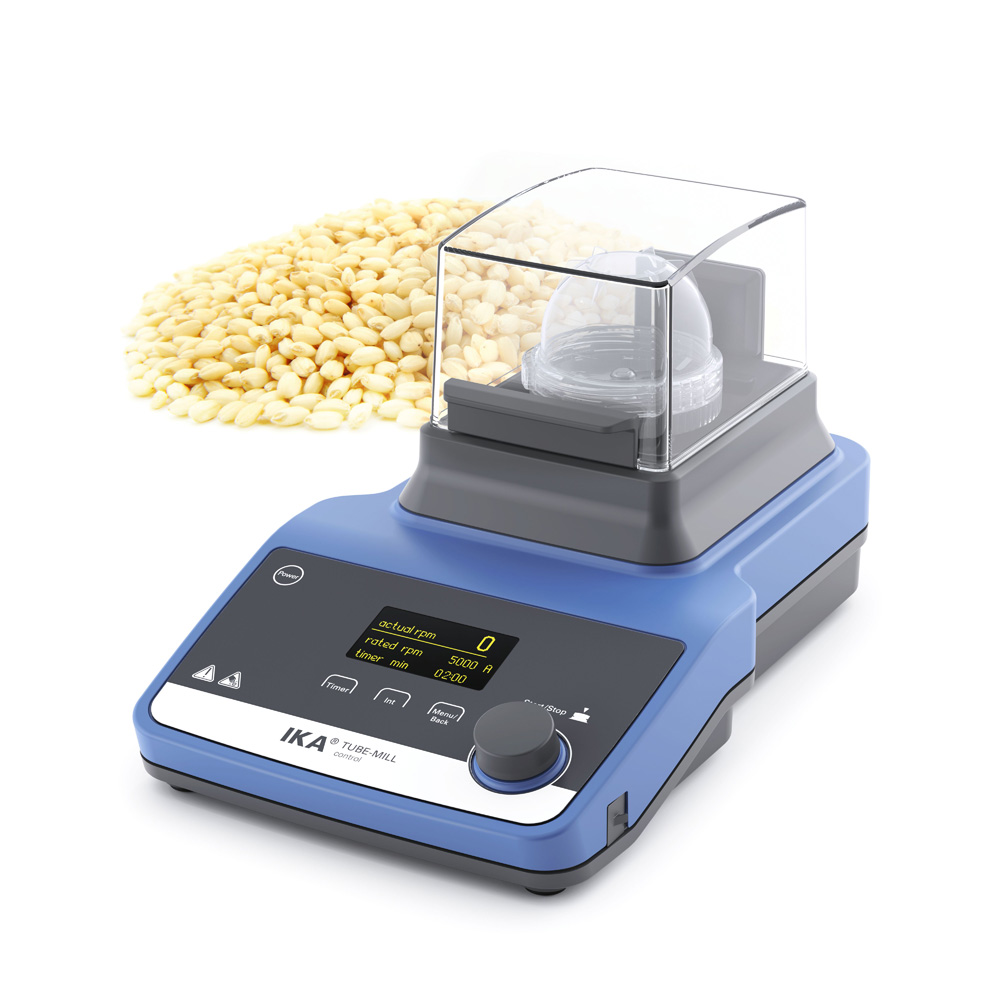
The IKA Tube Mill control and Tube Mill 100 control are essential tools for seed genetic analysis, offering precision grinding and contamination-free sample preparation for genomic studies. These features make them particularly valuable in seed trait analysis and nutritional genomics:1. Consistent & Fine Grinding:
Ensures uniform seed powder for accurate DNA extraction and protein content analysis.
2. Prevention of Cross-Contamination:
Disposable grinding chambers prevent sample carryover, ensuring reliable genetic and biochemical testing.
3. Adaptability for High-Throughput Research:
Essential for large-scale seed testing in crop breeding programs and molecular biology labs.
Explore how IKA milling solutions can enhance your genetic seed analysis. Contact us today for expert guidance and cutting-edge laboratory tools tailored for modern seed research.
ConclusionGenetic seed analysis is a game-changer in agriculture, nutrition, and biotechnology, offering unparalleled insights into seed improvement. By integrating advanced genomic techniques with high-precision tools like the IKA Tube Mill control, researchers can accelerate breakthroughs in crop quality, food security, and biofortification. |
Citations
- Effect of Growth Regulators on Stevia rebaudiana Callus Genesis and Influence of Auxin and Proline on Steviol Glycosides, Phenols, Flavonoids Accumulation, and Antioxidant Activity In Vitro.- GWAS in a Collection of Bulgarian Old and Modern Bread Wheat Accessions Uncovers Novel Genomic Loci for Grain Protein Content and Thousand Kernel Weight.
- Nutritional Genomic Approach for Improving Grain Protein Content in Wheat.
- Constitutive Overexpression of a Nicotianamine Synthase Gene in Bread Wheat and In Vivo Assessment of Iron and Zinc Bioavailability.
- Combining GWAS and TWAS to identify candidate causal genes for tocochromanol levels in maize grain | Genetics | Oxford Academic
RELATED CONTENT

Disposable and reusable crushing systems
VIDEO
Tube Mill control
Related Products



If you have any questions or wish to receive a personal quotation, please contact our sales team
请联系我们
< Back to Blog overview请联系我们